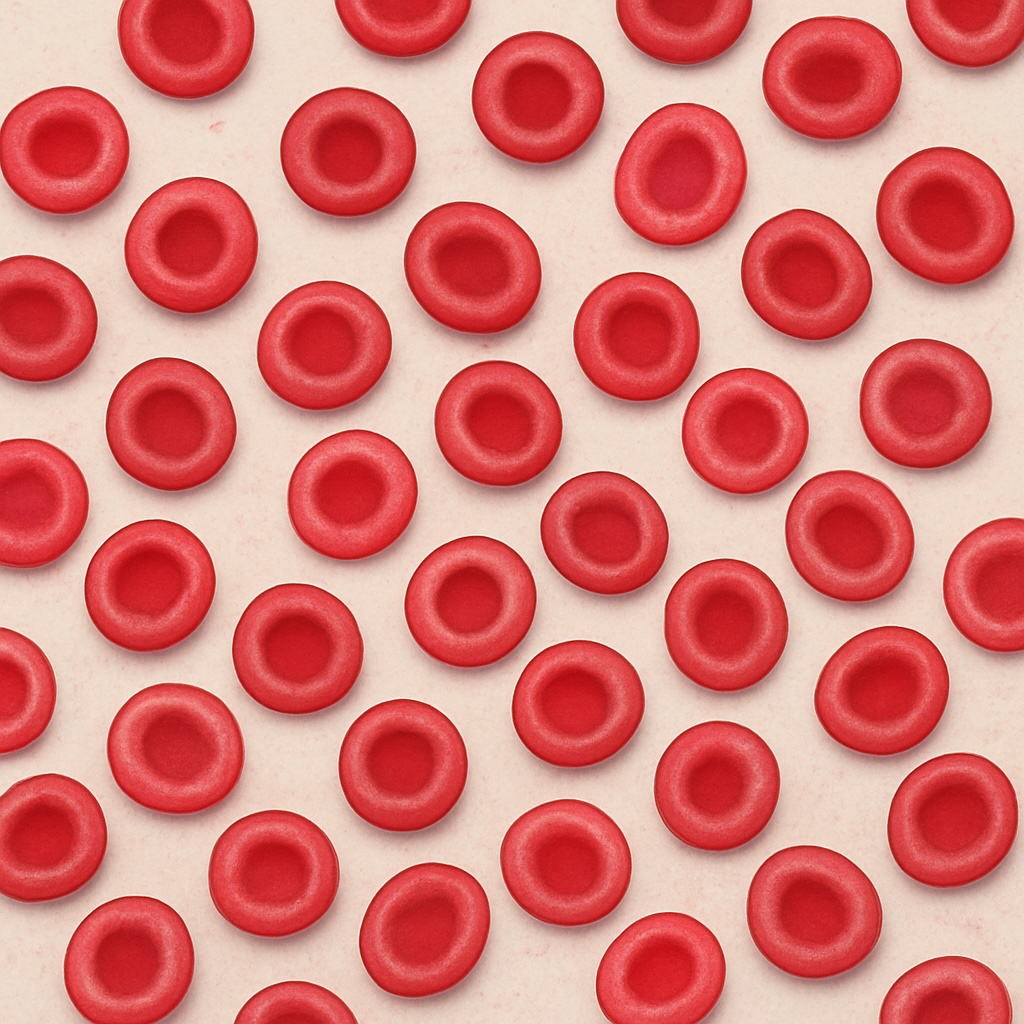
Anemia is a condition where the body doesn’t have enough red blood cells to carry oxygen. While many causes exist, one especially challenging and often misunderstood form is Precursor-Targeted Immune-Mediated Anemia (PIMA). This condition is being recognized with increasing frequency in both dogs and cats. Whether you are a veterinarian…
-
-
Fluid Responsiveness vs. Fluid Tolerance in Veterinary Patient Care
When a pet is critically ill, one of the most urgent decisions veterinarians must make is whether to give intravenous (IV) fluids. In both veterinary and human medicine, IV fluid therapy can be lifesaving, but it can also be harmful if not carefully managed. Two key concepts guide modern fluid…
-
Zenalpha® for Dogs: A Safer Option for Veterinary Sedation
What Is Zenalpha®? Zenalpha® is a veterinary prescription medication by Dechra Veterinary Products that delivers safe and effective sedation in dogs. It blends medetomidine (a sedative/analgesic α₂-agonist) with vatinoxan (a peripheral α₂-antagonist), balancing effective sedation with fewer cardiovascular effects. This combination helps pets stay calm during procedures while minimizing risk…
-
Canine Idiopathic Epilepsy & Urinary Tract Infection Connection
Understanding Idiopathic Epilepsy in Dogs Idiopathic epilepsy (IE) is one of the most common causes of recurrent seizures in dogs, affecting up to 5% of certain breeds. By definition, idiopathic epilepsy means there is no underlying structural brain disease or metabolic disorder causing the seizures. Most affected dogs require lifelong…
-
Prostatic Washing in Dogs: A Diagnostic Tool
Prostatic disease in dogs is an important differential diagnosis for male canine patients presenting with lower urinary tract signs, recurrent infections, or abnormal prostate size on rectal examination. Prostatic washing (also called prostatic lavage or prostatic flush) is a minimally invasive diagnostic procedure that allows veterinarians to obtain samples for…
-
Practicing Spectrum of Care Does Not Increase Risk of Adverse Action
I want to highlight an important and timely article authored by Dr. Beth Venit in the Journal of the American Veterinary Medical Association (JAVMA). Dr. Venit’s work provides much-needed reassurance to practicing veterinarians: providing care within the spectrum of care framework does not increase a practitioner’s risk of adverse action…
-
Calcium Tartrate Tetrahydrate Stones in Dogs: What Every Pet Parent and Vet Needs to Know
Introduction: New Insights into Canine Urolithiasis A recent study from the Journal of Veterinary Internal Medicine (May–June 2025) reports a newly recognized form of urinary stone, calcium tartrate tetrahydrate (CTT), found in dogs. This emerging discovery highlights important links between diet, supplements, and stone formation. It also underscores the need…
-
Monitoring Dogs with Cushing’s Disease on Trilostane: ACTH Stimulation vs Pre-Pill Cortisol (and Why Your Dog’s Journal Matters)
TL;DR Why monitoring matters Trilostane reduces cortisol production. If we don’t monitor, dogs can remain symptomatic (PU/PD, panting, hunger, poor coat) or tip into iatrogenic hypoadrenocorticism (vomiting, lethargy, collapse). Routine monitoring helps keep dogs feeling their best and catches problems early. The product label emphasizes regular rechecks at 10–14 days,…
-
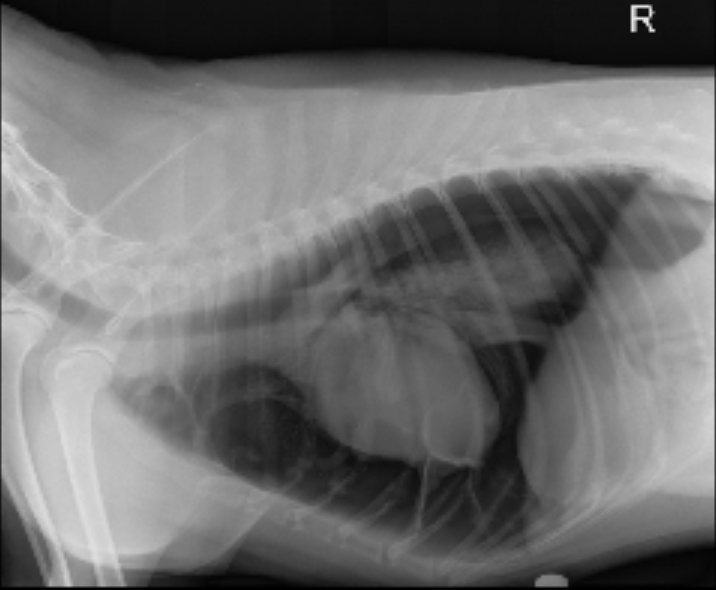
Pneumothorax in Dogs and Cats: Causes, Treatment, and Why Thoracocentesis Before Referral Can Save Lives
Pneumothorax, air trapped in the chest cavity outside of the lungs, is a serious and potentially life-threatening condition in dogs and cats. When air builds up in the pleural space, it prevents the lungs from expanding normally, leading to difficulty breathing, collapse, or even death if left untreated. This post…
-
Felycin-CA1: A Groundbreaking Therapy for Cats with Hypertrophic Cardiomyopathy
Image Credit. PRN Pharmacal