Diseases

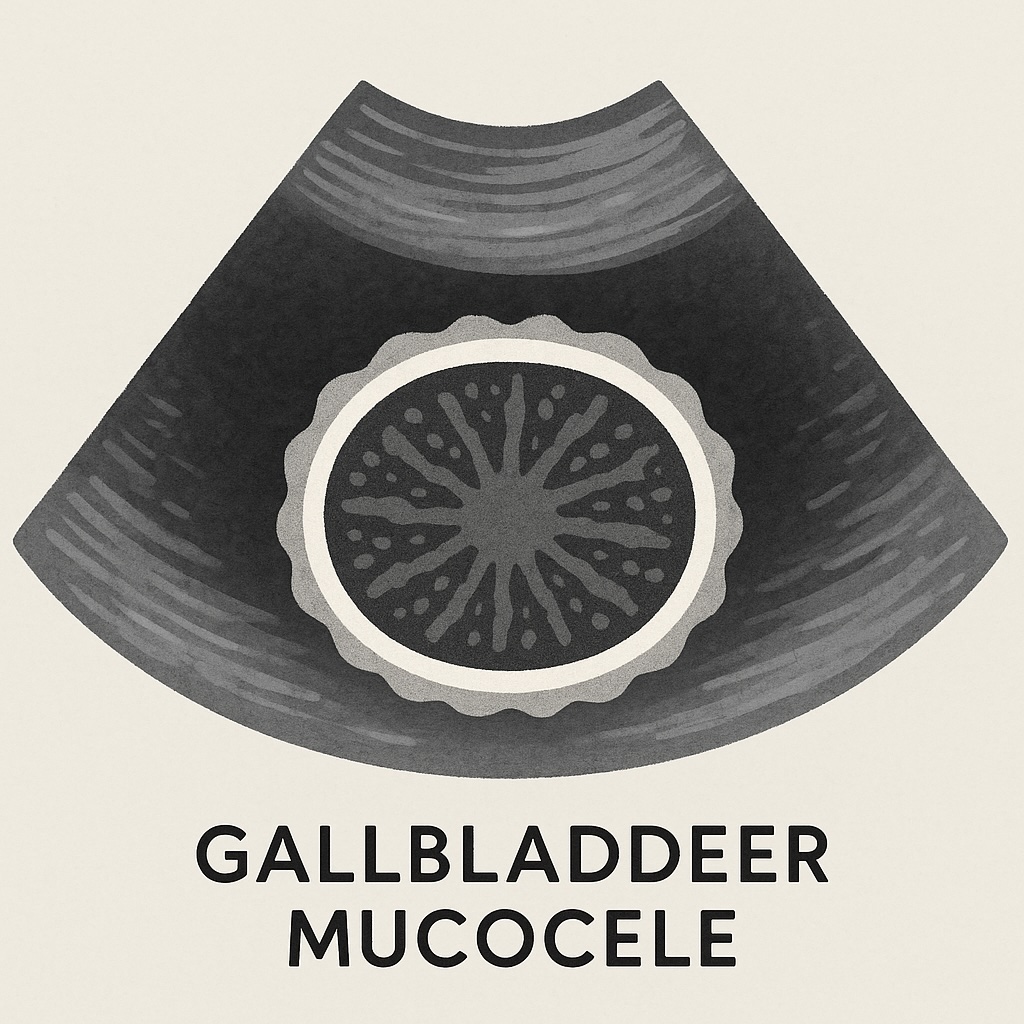
  • Gallbladder Mucocele in Dogs: Causes, Signs, Diagnosis, and Treatment

    The gallbladder plays a critical role in digestion by storing and releasing bile to help break down dietary fats. In dogs, however, this small organ can sometimes develop a life-threatening condition called a gallbladder mucocele. This disease has been increasingly recognized by veterinarians in recent years, and understanding its signs…
  • Hyperaldosteronemia in Cats: Symptoms, Diagnosis, Treatment & Prognosis

    Introduction Hyperaldosteronemia in cats, sometimes called Conn’s syndrome or primary hyperaldosteronism, is a condition where a cat’s adrenal glands produce too much of the hormone aldosterone. While this disease is relatively uncommon, veterinarians are recognizing it more often as feline diagnostics advance. Excess aldosterone leads to low potassium (hypokalemia), high…

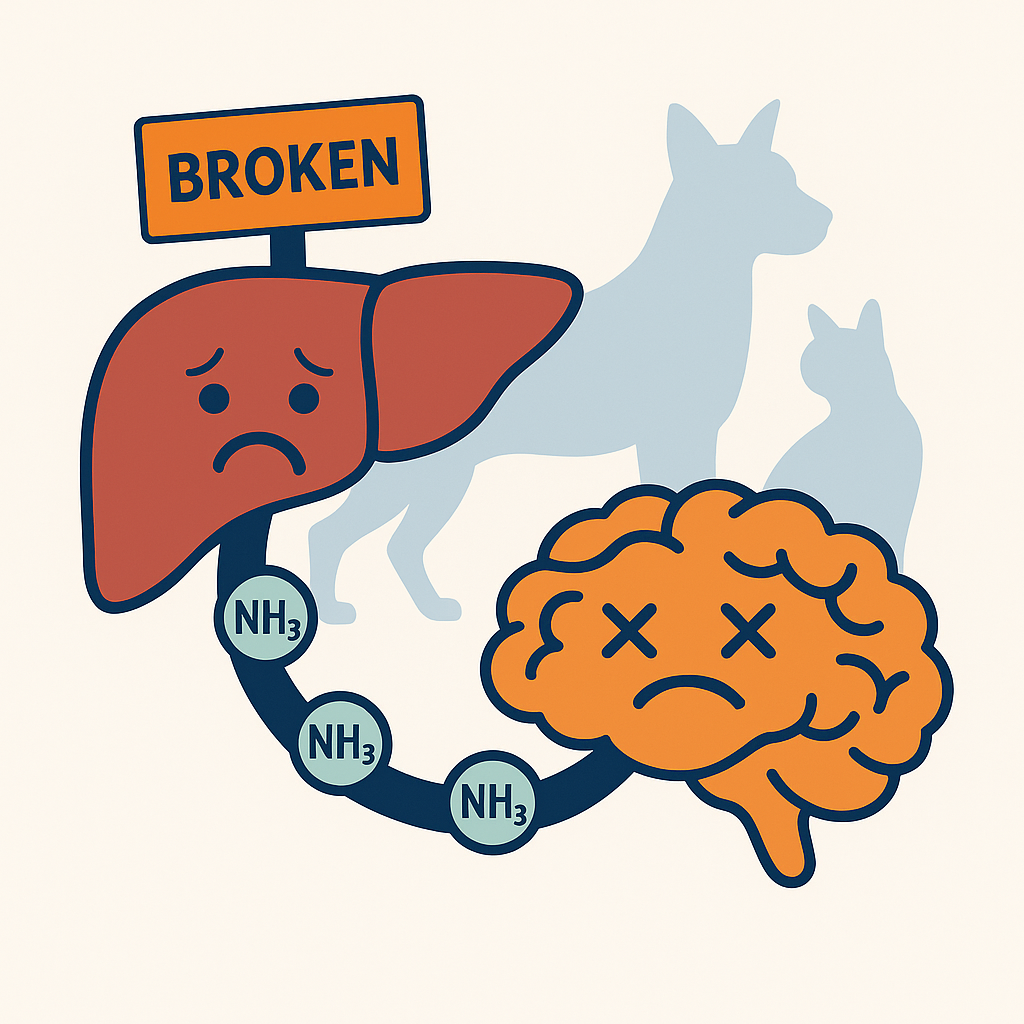
  • Hepatic Understanding Hepatic Encephalopathy in Dogs and Cats

    Hepatic encephalopathy (HE) is a serious neurological condition seen in pets with significant liver dysfunction. It develops when more than 70% of liver function is lost, allowing toxins and metabolic byproducts to affect the brain. While the condition is complex, understanding its signs, causes, and treatment options can help both…

  • Hiatal Hernia – An Uncommon Problem in Cats & Dogs

    Cats and dogs can be affected by hernias of a wide variety. Most folks have heard of umbilical and inguinal hernias. This week’s post is dedicated to a different type of hernia: a hiatal hernia. I hope you find the information interesting, and you’ll consider sharing it with your pet-loving…

  • Cranial Cruciate Ligament Injury in Dogs

    Dogs tear ligaments in their stifles, otherwise known as the knees. The most common ligament injured is called the cranial cruciate ligament. In people, the equivalent ligament is the anterior cruciate ligament or ACL. Occasionally, the cranial cruciate ligament is injured after a pet abruptly changes direction while exercising/running. Most commonly,…

  • Fibrocartilaginous Embolism (FCE) in Dogs & Cats

    In previous posts I’ve written about some important neurological conditions that affect our pets, including intervertebral disc disease (IVDD) and brain tumors. This week’s post reviews insightful information about another neurological condition called fibrocartilaginous embolism or FCE. I hope you enjoy reading it and will share it with other pet…

  • Phosphide Intoxication in Cats & Dogs

    In recent weeks, the emergency team with whom I work has treated several patients for an uncommon toxicity: zinc and aluminum phosphide. So, this week – in the interest of increasing awareness – I’ve written a post about it. I hope you’ll share it with other pet owners to help…

  • Pododermatitis – Why Are My Pet’s Paws Red?

    One of the more common reasons for pet owners to present their pets for evaluation by a veterinarian is red, inflamed paws. The general term for skin inflammation of the paws is called pododermatitis. This week’s post is dedicated to sharing detailed information for families about this common condition in…

  • Transmissible Venereal Tumor (TVT) in Dogs

    I’ve written about a lot of different types of cancers that affect our canine friends – lymphoma, mast cell tumors, and hemangiosarcoma to name a few. A couple of weeks ago I evaluated and diagnosed a wonderful dog with a less common cancer called transmissible venereal tumor or TVT. This…