
Hypertrophic cardiomyopathy (HCM) affects as many as 1 in 7 cats, making it the most common form of feline heart disease. In early stages, cats may not show outward symptoms, but their thickened heart walls already put them at risk for heart failure, blood clots, or sudden death.
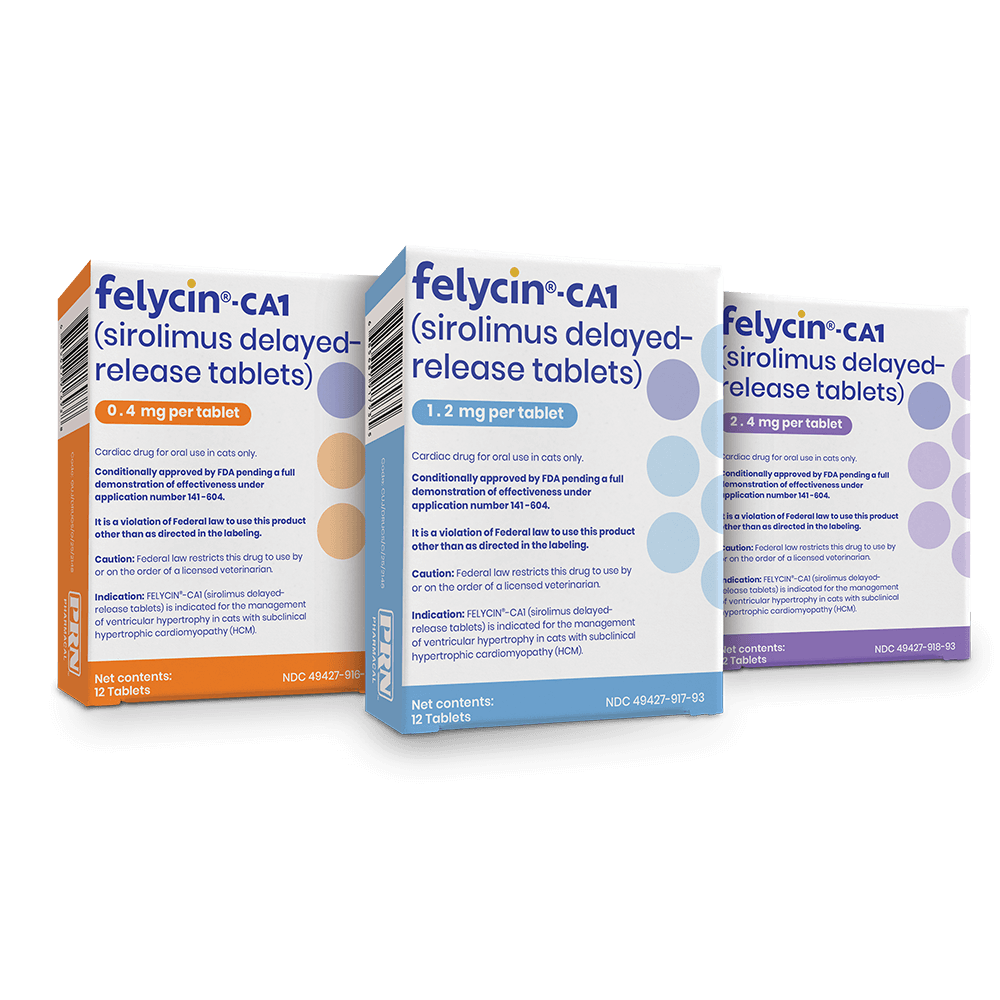
Now, cat owners and veterinarians finally have a new option. On March 14, 2025, the FDA conditionally approved Felycin-CA1 (sirolimus delayed-release tablets) as the first drug to manage ventricular hypertrophy in cats with subclinical HCM. This milestone gives hope to both families and veterinary professionals who care for cats with this challenging condition.
FDA Conditional Approval: Why It Matters
- Historic approval: The FDA granted conditional approval because Felycin-CA1 addresses a serious feline disease with no previous treatment options.
- Clear indication: Veterinarians can prescribe Felycin-CA1 for cats with subclinical HCM who show ventricular wall thickness ≥ 6 mm on echocardiography but no history of congestive heart failure, severe outflow obstruction, or blood clots.
- Access: Licensed veterinarians can prescribe the drug in three strengths (0.4 mg, 1.2 mg, 2.4 mg).
- Research continues: The HALT study, now underway at ~20 sites, will collect additional data to support full FDA approval.
How Felycin-CA1 Works: Myosin and mTOR Pathways
Felycin-CA1 does more than relieve symptoms. It targets the underlying mechanisms that drive HCM.
1. Myosin Inhibition
In HCM, the heart contracts too forcefully, worsening obstruction and reducing filling. Felycin-CA1 inhibits cardiac myosin, lowering contractile force and allowing the heart to relax more effectively. Cats gain better blood flow and improved diastolic function.
2. mTOR Pathway Modulation
The drug also inhibits the mTOR (mechanistic target of rapamycin) pathway, which regulates cell growth and protein synthesis. By modulating this pathway, Felycin-CA1 reduces abnormal hypertrophy and fibrosis. This effect gives the drug potential to slow disease progression rather than only controlling symptoms.
3. Evidence from Trials
In the RAPACAT study, cats treated with Felycin-CA1 once weekly developed thinner ventricular walls compared to cats on placebo, without loss of heart function. These results supported the FDA’s decision to grant conditional approval.
Dosing and Safety Considerations
- Dosage: Veterinarians prescribe Felycin-CA1 at 0.3 mg/kg orally, once weekly.
- Pre-screening: Cats must undergo screening for liver disease and diabetes before starting therapy, since these conditions rule out safe use.
- Monitoring: Veterinarians monitor patients with echocardiography and bloodwork to guide dosing and detect side effects.
Adverse Reactions
Owners may notice reduced activity, decreased appetite, vomiting, or diarrhea. Veterinarians may detect elevated liver enzymes or, in rare cases, progression to heart failure. Most side effects resolve when veterinarians adjust the dose or discontinue therapy.
Why Teamwork Improves Outcomes
For Pet Owners: Ask your veterinarian whether referral to a board-certified veterinary cardiologist makes sense. Primary veterinarians provide routine care, while cardiologists offer advanced imaging and dosing expertise. Together, this team ensures your cat gets the safest and most effective treatment.
For Veterinary Professionals: Use Felycin-CA1 as part of a collaborative care plan. Careful patient selection, screening, and follow-up determine how well cats respond to therapy. Teaming with cardiologists helps you deliver the best outcomes.
Final Thoughts
Felycin-CA1 redefines feline cardiology. Instead of simply managing complications, it addresses the biology of HCM itself—through myosin inhibition and mTOR pathway modulation. This conditional approval marks the first time cats with HCM have access to a targeted, disease-modifying drug.
Cat owners, primary veterinarians, and cardiologists all play a role in this progress. With consistent teamwork, we can extend both the quality and length of life for cats living with hypertrophic cardiomyopathy.
👉 Pet owners: If your cat has thickened heart walls, ask your veterinarian whether Felycin-CA1 could help.
👉 Veterinary professionals: Use this new tool responsibly, with ongoing monitoring and collaboration, to give cats the future they deserve.