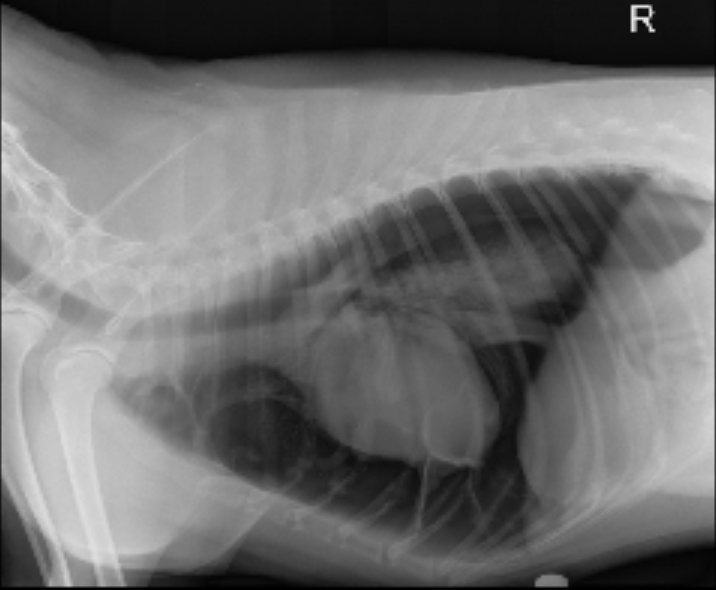

Pneumothorax, air trapped in the chest cavity outside of the lungs, is a serious and potentially life-threatening condition in dogs and cats. When air builds up in the pleural space, it prevents the lungs from expanding normally, leading to difficulty breathing, collapse, or even death if left untreated.
This post is designed to educate both pet owners and veterinary colleagues about the major causes of pneumothorax, how it is treated, and one absolutely critical step that can save lives: performing thoracocentesis (removing the air with a needle and syringe) before transporting a patient to an emergency hospital or urgent care facility.
What Causes Pneumothorax?
Pneumothorax can occur for several reasons in dogs and cats, including:
- Trauma – Blunt trauma (like being hit by a car) or penetrating trauma (such as a bite wound) can rupture the lungs or chest wall.
- Spontaneous rupture of lung tissue – Sometimes a weakened portion of lung tissue tears without obvious trauma.
- Underlying lung disease – Conditions such as cancer, pneumonia, or pulmonary bullae can predispose the lungs to rupture.
- Iatrogenic causes – Occasionally pneumothorax may occur as a complication of medical procedures like thoracocentesis, mechanical ventilation, or surgery.
Regardless of the cause, the common factor is air preventing the lungs from inflating normally, making breathing difficult and dangerous.
How is Pneumothorax Treated?
The mainstay of treatment is thoracocentesis, where a veterinarian places a sterile needle or catheter into the chest cavity to remove trapped air. This simple but critical procedure often provides immediate relief.
For severe or recurring cases, additional treatments may include:
- Placement of a chest tube to allow continuous evacuation of air.
- Oxygen therapy to help stabilize the patient.
- Surgery if there is an ongoing leak from a ruptured lung lobe or mass.
Early stabilization makes a major difference in survival.
Why Thoracocentesis Before Referral is Critical
For primary care veterinary colleagues, here’s the most important takeaway:
Whenever possible, perform thoracocentesis BEFORE sending a pneumothorax patient to an emergency hospital or urgent care.
Too often, patients are referred without thoracocentesis, and during transport, when stress and movement worsen breathing, their condition deteriorates. By the time they arrive at the ER, they may be in critical or even irreversible distress.
Performing thoracocentesis in the primary care clinic, even if only once before transport, can be absolutely life-saving.
A Note to Primary Care Veterinarians
I understand pneumothorax cases rarely arrive at convenient times. You may be in the middle of a fully booked appointment schedule with exams stacked back-to-back. Performing a thoracocentesis can feel disruptive and overwhelming.
But here’s the truth: patient care must come first.
- The few minutes it takes to perform thoracocentesis can be the difference between life and death.
- Pet owners waiting for routine services are usually very understanding when told you must step away to handle a critical, life-threatening emergency.
- By stabilizing the patient before referral, you are directly improving their chance of survival and making the emergency team’s job more effective when the patient arrives.
What Pet Owners Should Know
For pet owners, pneumothorax can look like:
- Sudden difficulty breathing
- Rapid, shallow breathing
- Restlessness or collapse
- Blue-tinged gums (a sign of low oxygen)
If your dog or cat develops sudden breathing problems, it is always an emergency. Get to your veterinarian immediately. Trust that if the veterinary team needs to pause routine appointments to save another pet’s life, they would do the same for your beloved companion.
Key Takeaway
Pneumothorax is a life-threatening condition, but immediate thoracocentesis performed at the primary care level before referral can be the difference between survival and loss.
For veterinary colleagues: even when it disrupts the day, take the time. For pet owners: know that this step can be life-saving, and support your veterinary team in doing what’s best for the patient.