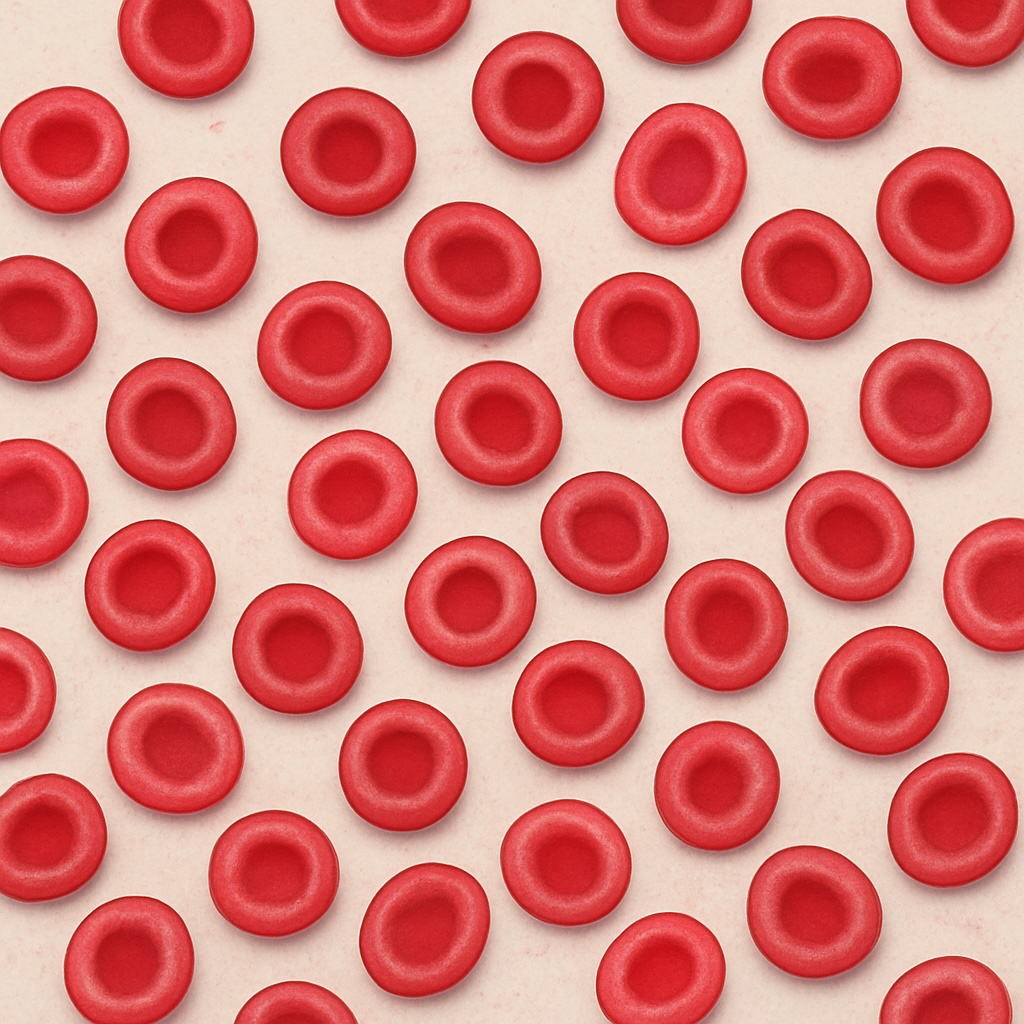

Anemia is a condition where the body doesn’t have enough red blood cells to carry oxygen. While many causes exist, one especially challenging and often misunderstood form is Precursor-Targeted Immune-Mediated Anemia (PIMA). This condition is being recognized with increasing frequency in both dogs and cats.
Whether you are a veterinarian seeking deeper clinical insight or a pet parent trying to understand your pet’s diagnosis, this article explores what PIMA is, how it develops, how it’s diagnosed, and the treatment options available.
What Is PIMA?
Unlike classic immune-mediated hemolytic anemia (IMHA), where the immune system destroys mature circulating red blood cells, PIMA targets the bone marrow itself. Specifically, the immune system mistakenly attacks the precursors, the immature cells developing into red blood cells.
The result? The bone marrow produces fewer functional red blood cells, leading to anemia that can be profound and persistent.
Pathophysiology of PIMA
In PIMA, the immune system interferes at the erythroid precursor stage in the bone marrow. This means:
- T-lymphocytes and antibodies may inappropriately recognize red blood cell precursors as “foreign.”
- This leads to phagocytosis (destruction by macrophages) or “maturation arrest,” where developing cells never mature.
- Over time, the bone marrow becomes cellular but ineffective, packed with precursors that fail to progress into circulating red cells.
For veterinarians, bone marrow evaluation often reveals erythroid hyperplasia with ineffective maturation or increased phagocytosis of erythroid precursors. For pet owners, this translates to a bone marrow that is working hard but failing to deliver.
Clinical Signs
Because PIMA causes anemia, the symptoms often reflect low oxygen delivery to tissues:
- Lethargy or fatigue
- Exercise intolerance
- Pale gums
- Rapid breathing or rapid heart rate
- Poor appetite
In severe cases, pets may collapse or appear critically ill.
Diagnosing PIMA
Diagnosis requires a multi-step approach:
- Bloodwork – A complete blood count (CBC) shows non-regenerative anemia (low reticulocytes).
- Rule-outs – Other causes of non-regenerative anemia, such as chronic kidney disease, FeLV infection in cats, nutritional deficiencies, or bone marrow cancers, must be excluded.
- Bone marrow aspiration/biopsy – This is best practice for diagnosing PIMA. Findings often include:
- Erythroid hyperplasia (lots of precursors present)
- Failure of precursors to mature
- Increased destruction of precursors by macrophages
Veterinarians may also perform flow cytometry or immunostaining to demonstrate immune-mediated targeting.
Treatment Options
Treating PIMA is often challenging and requires patience:
1. Immunosuppressive Medications
- Corticosteroids (e.g., prednisone, prednisolone) are first-line therapy.
- Additional immunosuppressives may be added if response is poor, including:
- Cyclosporine
- Mycophenolate mofetil
- Azathioprine (dogs only, not cats)
- Leflunomide
2. Supportive Care
- Blood transfusions may be lifesaving in severely anemic pets.
- Careful monitoring of hydration, nutrition, and infection risk is essential.
3. Long-Term Management
- Some pets require lifelong immunosuppression.
- Regular CBC monitoring helps veterinarians adjust medication doses and detect relapses.
Prognosis
The outlook for pets with PIMA is guarded but improving with recognition of the disease and tailored therapy. Some pets respond well to treatment and live comfortably for years, while others may relapse or fail to respond.
For pet owners, it’s important to understand that treatment often involves long-term medication, frequent veterinary visits, and ongoing monitoring.
Key Takeaways
- PIMA is an immune disorder where the bone marrow fails to produce mature red blood cells.
- Diagnosis requires bone marrow evaluation and exclusion of other causes.
- Treatment involves immunosuppressive drugs, supportive care, and close monitoring.
- With proper care, many dogs and cats can live good-quality lives despite the diagnosis.