
I want to highlight an important and timely article authored by Dr. Beth Venit in the Journal of the American Veterinary Medical Association (JAVMA). Dr. Venit’s work provides much-needed reassurance to practicing veterinarians: providing care within the spectrum of care framework does not increase a practitioner’s risk of adverse action against one’s medical license.
This is a crucial message to spread widely because too often, colleagues carry the misguided fear that if they don’t pursue the so-called “gold standard” or “best practice” for every case, they are opening themselves up to legal vulnerability. Dr. Venit’s analysis helps to put this myth to rest once and for all.
The Importance of Informed Consent
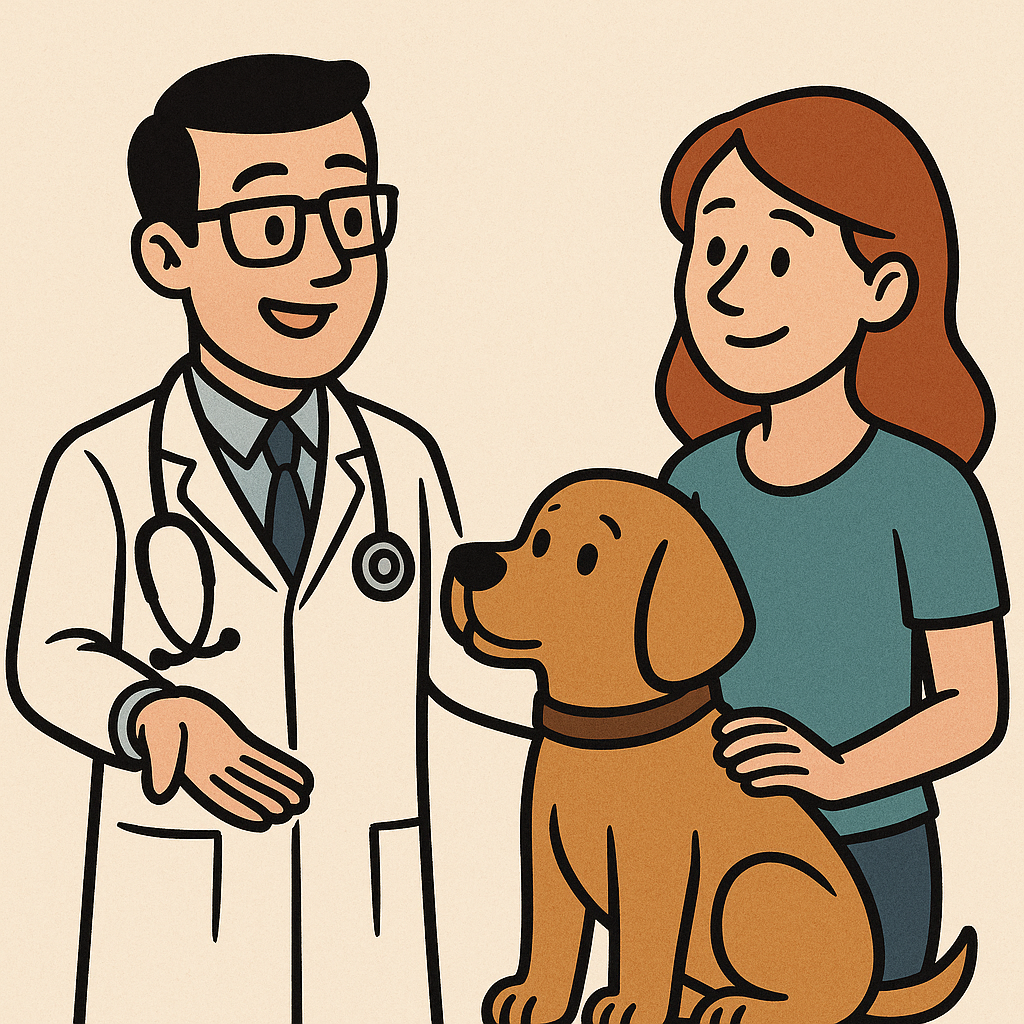
One of the strongest takeaways from Dr. Venit’s article is the centrality of informed consent. Litigation is rarely about whether the gold standard was pursued. More often, it hinges on whether pet owners were given the information they needed to understand their options and make a decision aligned with their circumstances.
When we take the time to:
- Educate clients about all reasonable diagnostic and treatment options (not just the highest tier)
- Explain the risks, benefits, and costs of each path
- Empower them to make decisions within the framework of their financial, emotional, and logistical realities
…we both honor our ethical responsibility to our clients and patients and protect ourselves from unnecessary liability.
Empowering Pet Owners
Veterinary medicine is not a one-size-fits-all profession. Owners vary widely in what they can realistically pursue for their pets. Practicing spectrum of care ensures that patients receive treatment even if it’s not the “ideal” option rather than no care at all. By educating and empowering owners, we align medicine with real-world circumstances and preserve the human–animal bond.
A Personal Note of Respect
I want to personally recognize Dr. Beth Venit with whom I’ve had a professional relationship since her internship when I was a resident. Over the years, I have respected her experience and insight, both in clinical practice and in regulatory matters. Having also worked with her in my own capacity as a regulator, I can say without hesitation her perspective on this issue is both practical and trustworthy.
Disclaimer
Although I currently serve as the Secretary of the Nebraska State Board of Veterinary Medicine and Surgery, this post is written solely by me. It does not represent the Board, its members, or its official positions. These are my reflections as a practicing veterinarian who values client communication, professional well-being, and the advancement of veterinary medicine.
✅ Key message: Practicing spectrum of care is not synonymous with practicing substandard care. When informed consent guides our client interactions, we protect our patients, our clients, and ourselves.