
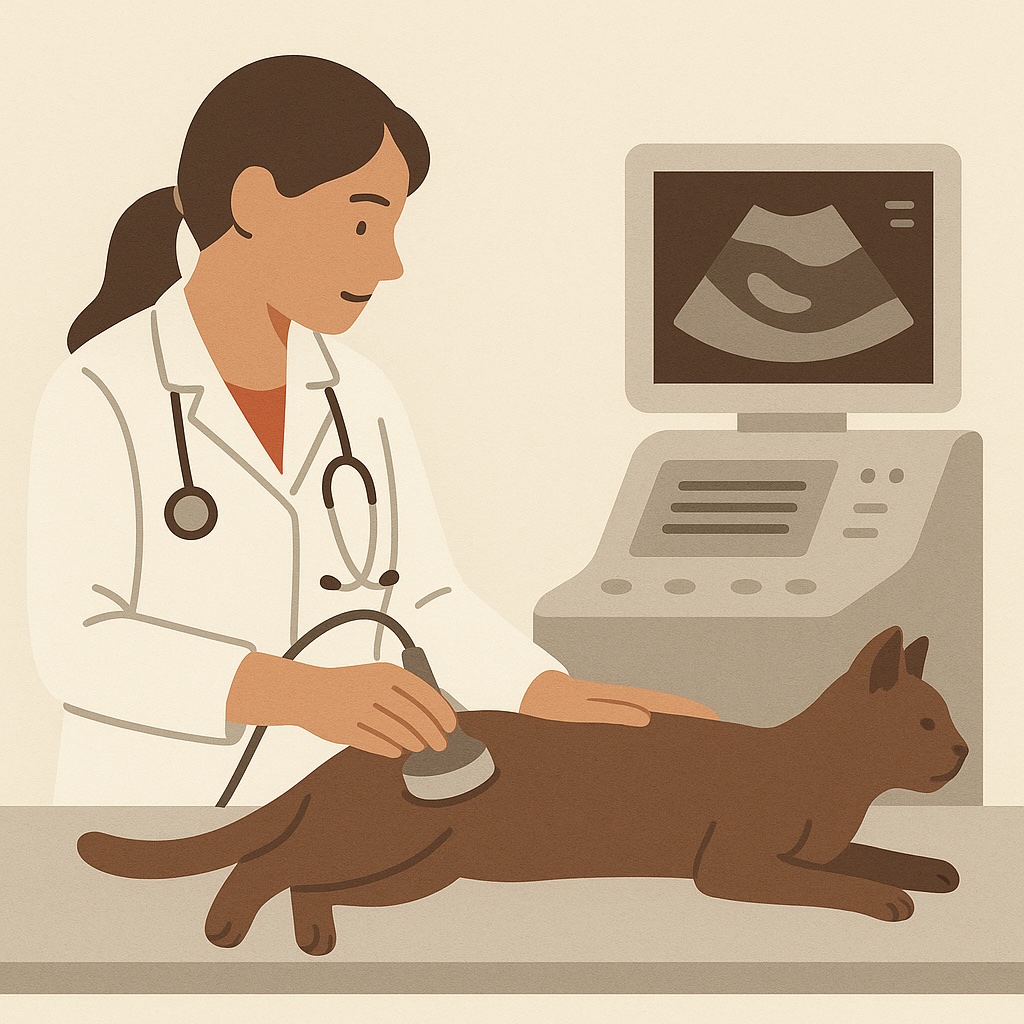
Introduction Hyperaldosteronemia in cats, sometimes called Conn’s syndrome or primary hyperaldosteronism, is a condition where a cat’s adrenal glands produce too much of the hormone aldosterone. While this disease is relatively uncommon, veterinarians are recognizing it more often as feline diagnostics advance. Excess aldosterone leads to low potassium (hypokalemia), high…
-
-
Bedside Tests in Veterinary Emergency Rooms
When you to go the emergency room, your medical team performs some non-invasive tests to help assess your clinical condition. Some of these bedside tests are similarly performed in cats and dogs who are presented to veterinary emergency rooms. So, this week I wanted to share some information about these…
-
Congestive Heart Failure (CHF) in Dogs – When the Blood Pump Fails!
The heart is obviously a vital organ. Proper function is essential to deliver oxygen to tissues throughout the body. When not functioning properly, our dogs and cats becoming rapidly debilitated, and indeed, can die. This week I’ve dedicated some time to explaining a type of severe heart dysfunction called congestive…
-
Grapes & Raisins & Currants, Oh My! – An Important Toxicity in Dogs
Two of my favorite snacks as a child were frozen grapes and “ants on a log.” For those unfamiliar with the latter treat, the log is a stick of celery slathered with peanut butter and the ants are sweet raisins pressed into the peanut butter. Yet while I loved (and…
-
Blood Pressure Monitoring – Vital Yet Under Appreciated
Vital signs (i.e.: heart rate, respiratory rate and body temperature) are non-invasive clinical measurements used to assess the state of a patient’s essential body functions. Clinical board-certified veterinary specialists consider blood pressure (BP) to be the fourth vital sign, but sadly the prevalence of appropriate blood pressure monitoring in veterinary…