
Several of you have requested more information about various bloodwork abnormalities to help you better understand your pet’s blood test results. You ask and you shall receive! This week’s post is dedicated to globulins, a unique category of proteins found in blood. I hope you enjoy the post and will…
-
-

Brucellosis – A Sexually Transmitted Disease in Dogs
As I was contemplating this week’s post, I came across a news headline about several humans becoming infected with brucellosis after drinking raw milk. I then realized I hadn’t yet shared any information about this disease in dogs. Thus, this week’s blog post was born. I hope you find the…
-
Masticatory Myositis in Dogs – When Chewing Hurts!
I’m a foodie. Heaven knows I love some scrumptious delights to please my palate. What if the simple action of chewing delectable morsels caused excruciating pain? This dreaded scenario happens for some dogs, and is called masticatory myositis. Pain while chewing is often chalked up to dental problems. Many pet…
-
Canine Chronic Hepatitis – Inflammatory Liver Disease in Dogs
The liver is a unique organ with several important functions in the body. For various reasons, the liver can become inflamed, resulting in a clinical syndrome called canine chronic hepatitis. This week, I discuss this important disease entity including details about diagnosis and treatment. Happy reading! Canine Chronic Hepatitis –…
-
Splenomegaly – The Significance of an Enlarged Spleen
As a board-certified internal medicine and emergency/critical care specialist, I am often referred dogs and cats with enlarged spleens. I partner with pet parents and family veterinarians to determine the reason for splenic enlargement (called splenomegaly). This week I share some information about the spleen and the potential reasons for…
-
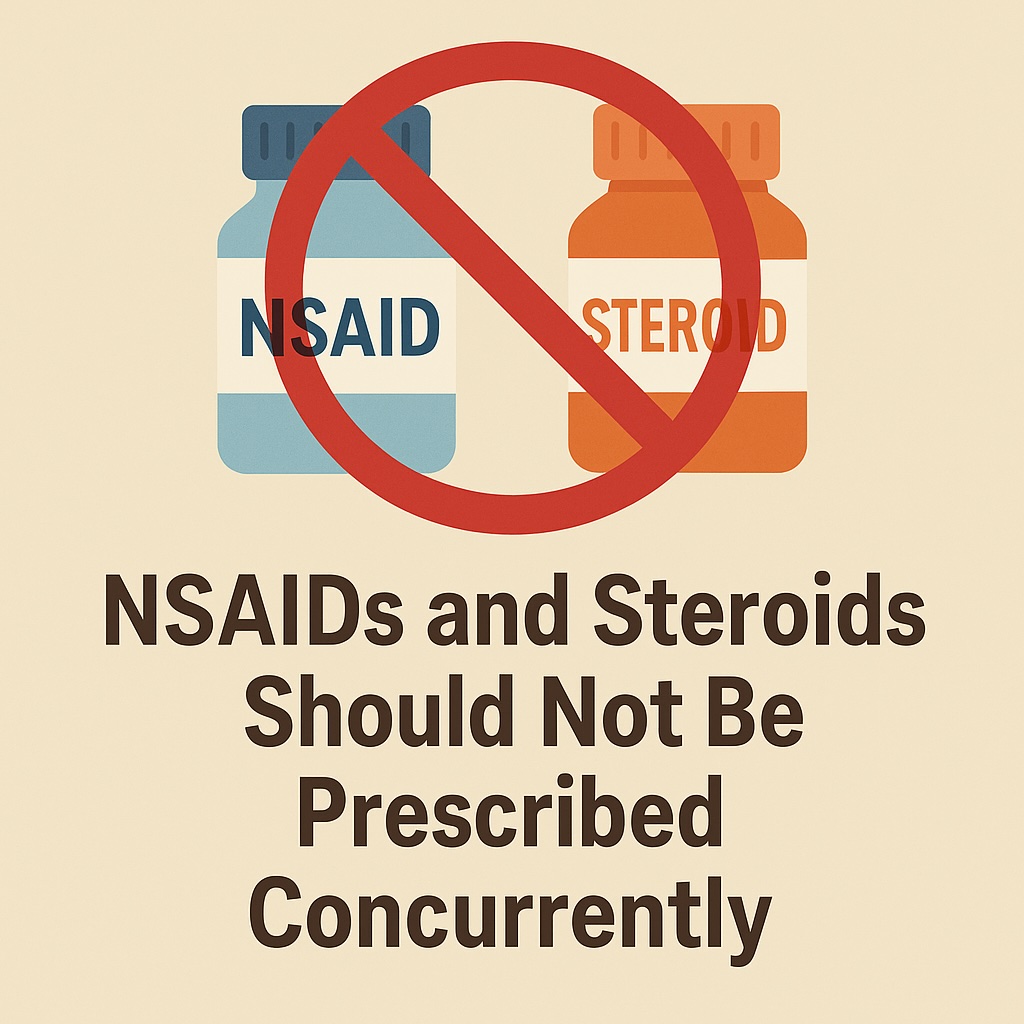
Why Mixing Steroids and NSAIDs in Dogs and Cats Can Be Dangerous
As a veterinarian, I see this mistake too often, and it worries me every time. With so many safe alternatives available to manage pain and inflammation in pets, the decision to combine steroids and non-steroidal anti-inflammatory drugs (NSAIDs) is one that can put dogs and cats at serious risk. That’s…