
Diabetic ketoacidosis, often called DKA, is one of the most serious complications of diabetes in dogs and cats. It can develop quickly, cause severe illness, and become life-threatening without prompt treatment. Fortunately, with early recognition and aggressive veterinary care, many pets recover and go on to live good quality lives.
This article explains what diabetic ketoacidosis is, why it happens, how it is diagnosed, and how veterinarians treat it. The goal is to help pet owners understand what is happening while also providing clinically useful information for veterinary professionals.
What Is Diabetic Ketoacidosis?
Diabetic ketoacidosis occurs when a pet with diabetes does not have enough effective insulin in the body. Insulin allows sugar, also called glucose, to enter cells and be used for energy. When insulin is absent or not working properly, the body cannot use glucose efficiently.
As a result, the body switches to burning fat for energy. This process produces substances called ketones. Ketones are acids. When they build up in the bloodstream, they cause a dangerous condition known as metabolic acidosis.
Veterinarians diagnose diabetic ketoacidosis when three problems occur together:
- High blood sugar
- Excess ketones in the blood or urine
- Acidic blood pH
Most pets with DKA have high blood sugar. However, in rare cases, ketones and acidosis can develop even when blood sugar is only mildly elevated or normal.
Which Pets Are Most at Risk?
Diabetic ketoacidosis can occur in both dogs and cats. It is especially common around the time diabetes is first diagnosed, although it can also develop later in the disease.
Pets at higher risk include:
- Dogs and cats with newly diagnosed diabetes
- Pets that miss insulin doses or receive too little insulin
- Animals with infections or inflammation
- Pets with other hormonal diseases that interfere with insulin
Common conditions that can trigger or worsen DKA include pancreatitis, urinary tract infections, kidney disease, Cushing’s disease, gastrointestinal disease, and certain cancers.
Often, DKA develops because more than one problem occurs at the same time.
What Happens Inside the Body During DKA?
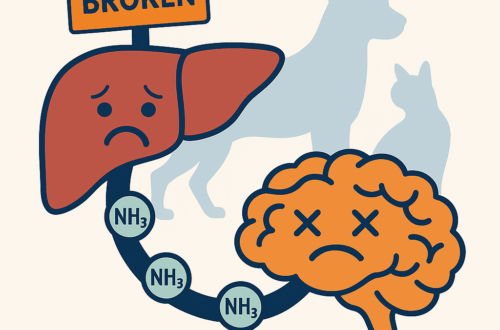
When insulin levels drop too low, glucose cannot enter cells. Blood sugar rises, but the body still thinks it is starving. Therefore, fat stores break down rapidly.
The liver converts fat into ketones, which provide emergency fuel. Unfortunately, ketones also lower blood pH and overwhelm the body’s buffering systems. At the same time, high blood sugar causes excessive urination, which leads to dehydration and loss of electrolytes like potassium and phosphorus.
As dehydration worsens, blood flow to organs decreases. Kidney function declines, ketones accumulate even faster, and the condition becomes increasingly dangerous. Without treatment, shock and organ failure can occur.
Signs and Symptoms Pet Owners May Notice
The signs of diabetic ketoacidosis are often vague at first. Many pets simply seem unwell. Common signs include:
- Drinking and urinating more than normal
- Poor appetite or refusal to eat
- Vomiting or diarrhea
- Weight loss
- Lethargy or weakness
- Rapid or deep breathing
Some pets develop neurologic signs such as confusion, stumbling, or seizures. A sweet or fruity odor on the breath may occur, but many people do not notice it.
Because these signs overlap with many other illnesses, any diabetic pet that suddenly worsens should receive veterinary attention immediately.
How Veterinarians Diagnose Diabetic Ketoacidosis
No single test confirms diabetic ketoacidosis. Veterinarians diagnose DKA by combining physical exam findings with laboratory results.
Key diagnostic steps include:
- Blood glucose measurement
- Blood gas analysis to assess acid base status
- Measurement of ketones, preferably beta-hydroxybutyrate
- Serum biochemistry to evaluate electrolytes and kidney function
Urine testing helps confirm glucose and ketone loss and screens for urinary tract infection. Additional tests may be needed to identify underlying diseases that triggered the crisis.
Importantly, high blood sugar alone does not equal DKA. Acidosis and ketone production must also be present.
How Is Diabetic Ketoacidosis Treated?
Pets with diabetic ketoacidosis require hospitalization, often in an intensive care setting. Treatment focuses on stabilizing the body and stopping ketone production.
Fluid Therapy
The first priority is restoring circulation and hydration. Intravenous fluids correct dehydration, improve blood flow to organs, and help lower blood sugar naturally.
Veterinarians carefully choose fluids and adjust rates based on heart function, kidney status, and electrolyte levels.
Electrolyte Support
Most pets with DKA have significant total body potassium loss, even if blood levels appear normal at first. Insulin treatment quickly shifts potassium into cells, which can cause dangerous drops.
For this reason, potassium and often phosphorus supplementation begins early and continues with frequent monitoring.
Insulin Therapy
Insulin is essential to stop fat breakdown and ketone production. Many hospitals use a continuous intravenous insulin infusion because it allows precise control and rapid adjustments.
As blood sugar drops, veterinarians add dextrose to the fluids so insulin can continue safely. This strategy resolves acidosis while avoiding hypoglycemia.
Alternative insulin protocols may be used in selected cases, particularly when resources are limited.
Additional Supportive Care
Once hydration and electrolytes stabilize, nutritional support begins as soon as possible. Feeding the gut helps healing and improves insulin response.
Pets may also receive:
- Antinausea medications
- Pain control
- Antibiotics when infection is suspected
- Careful monitoring of vital signs and neurologic status
Bicarbonate therapy is rarely needed and reserved for extreme cases.
Transitioning Home and Long-Term Outlook
When ketones resolve and the pet resumes eating, veterinarians transition from intravenous insulin to long-acting insulin injections. Pets remain hospitalized during this transition to ensure safety.
Most dogs and cats that survive the initial hospitalization can return home and be managed successfully for diabetes. However, recurrence can occur, especially if underlying diseases persist.
Reported survival rates range from approximately 60 to 80 percent, depending on disease severity and complications.
What Pet Owners Should Remember
- Diabetic ketoacidosis is a medical emergency
- Early veterinary care saves lives
- Treatment requires intensive monitoring and hospitalization
- Many pets recover and enjoy good quality of life afterward
If your diabetic pet suddenly stops eating, vomits, or seems weak or lethargic, seek veterinary care immediately.