Diabetes mellitus is one of the most common endocrine disorders in cats. Recent advances have introduced oral medications called SGLT2 inhibitors to help manage feline diabetes. While these drugs can improve blood sugar control, they can also trigger a rare but serious complication called euglycemic diabetic ketoacidosis (eDKA). Understanding what eDKA is, why it happens, and how to recognize it is critical for both cat owners and veterinary professionals.
What Is Euglycemic Diabetic Ketoacidosis?
- Diabetic ketoacidosis (DKA) usually develops when the body cannot use glucose properly due to insufficient insulin. The result is dangerous fat breakdown, ketone body production, dehydration, and metabolic acidosis.
- Euglycemic DKA (eDKA) is different because blood glucose levels are normal or only mildly elevated (<250 mg/dL) at the time of crisis.
This makes eDKA harder to recognize, especially for pet owners who assume “normal” blood sugar means safety.
How Do SGLT2 Inhibitors Work?
Sodium-glucose cotransporter 2 inhibitors (SGLT2i) reduce blood sugar by blocking glucose reabsorption in the kidneys, causing excess glucose to be excreted in urine.
- Benefits: Lower blood sugar without relying heavily on insulin; possible diabetic remission in some cats.
- Risk: Because these drugs work independently of the pancreas, insulin deficiency can go unnoticed. If stress, illness, or anorexia occurs, fat breakdown accelerates, leading to ketone production even though blood sugar looks “normal.”
FDA-approved feline SGLT2i include:
- Bexagliflozin (Bexacat™) – oral tablet
- Velagliflozin (Senvelgo™) – oral liquid
Why Does eDKA Happen?
eDKA is triggered when a diabetic cat experiences:
- Reduced glucose production (fasting, liver glycogen depletion)
- Insufficient insulin (absolute or functional deficiency)
- Increased counter-regulatory hormones (from stress, infection, pancreatitis, neoplasia, etc.)
The result:
- Fat breakdown → free fatty acids → ketones (beta-hydroxybutyrate, acetoacetate, acetone)
- Acidosis, dehydration, and electrolyte imbalances
Clinical Signs of eDKA in Cats
Cats with eDKA may show:
- Increased thirst and urination (PU/PD)
- Loss of appetite or refusal to eat
- Vomiting, lethargy, or weakness
- Neurological signs (tremors, cervical ventroflexion, seizures)
- Weight loss or muscle wasting
- Acetone odor on the breath
- Dehydration, collapse, or even coma in severe cases
Because blood glucose may not be high, relying on glucose checks alone can miss the diagnosis.
How Veterinarians Diagnose eDKA
The accepted criteria for eDKA include:
- Serum glucose <250 mg/dL (<13.9 mmol/L)
- Metabolic acidosis (pH <7.3; bicarbonate <18 mmol/L)
- Ketosis (blood beta-hydroxybutyrate >2.4 mmol/L, or positive urine ketones)
Additional diagnostic findings often include:
- High anion gap metabolic acidosis
- Electrolyte disturbances (low potassium, sodium, phosphorus, or magnesium)
- Dehydration and azotemia
- Possible Heinz body anemia due to oxidative damage
Treatment of eDKA in Cats
Treatment parallels standard DKA management but with special attention to the “normal” glucose:
- Stop the SGLT2 inhibitor immediately
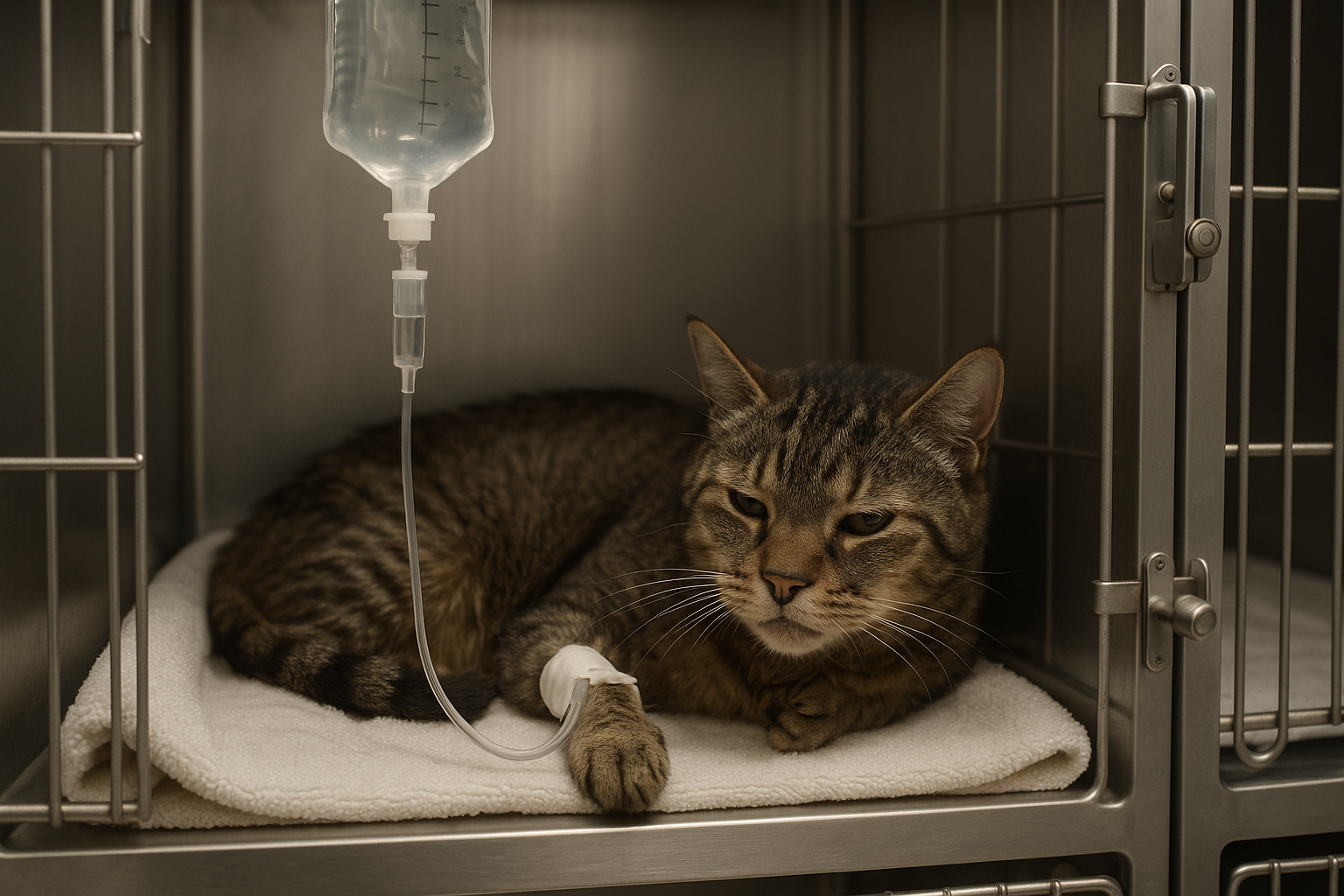
- IV fluid therapy to correct dehydration and restore circulation
- Regular insulin infusion (CRI) with dextrose supplementation to stop ketone production while preventing dangerous hypoglycemia
- Electrolyte correction – potassium, phosphorus, magnesium as needed
- Careful monitoring of:
- Blood glucose and ketones
- Electrolytes and acid-base status
- Hydration and perfusion parameters
Once stable, cats are transitioned back to long-acting insulin therapy before discharge.
Prognosis
- With rapid intervention: Most cats recover, though hospitalization may last several days.
- Without treatment: eDKA is life-threatening.
- Prevention: Careful monitoring, especially during illness or appetite loss, and strong communication between owners and veterinarians.
Key Takeaways for Cat Owners
- Not all diabetes medications are interchangeable. Dog or human products should never be given to cats without veterinary guidance.
- Even with new oral drugs, cats may still need insulin in certain situations.
- If your diabetic cat stops eating, vomits, or acts lethargic, seek veterinary care immediately.
Key Points for Veterinary Professionals
- eDKA most frequently develops within 2 months of starting SGLT2i therapy.
- Always assess ketones and acid-base status in sick diabetic cats, even if glucose seems normal.
- Methocarbamol and benzodiazepines are not indicated here. Insulin + dextrose remain the mainstay.
- Electrolyte and mineral support (K, P, Mg) is crucial.
Final Thoughts
Euglycemic diabetic ketoacidosis is an emerging complication of SGLT2 inhibitor use in cats. Awareness, early recognition, and rapid treatment save lives. As more diabetic cats are treated with these drugs, both pet owners and veterinarians must stay alert to the subtle but dangerous risk of eDKA.