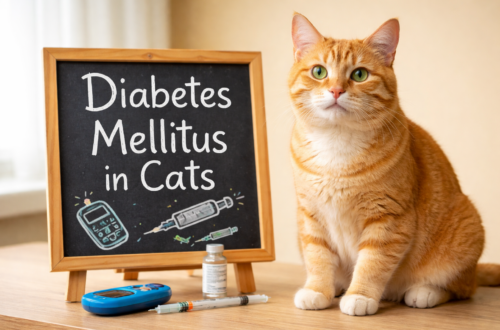
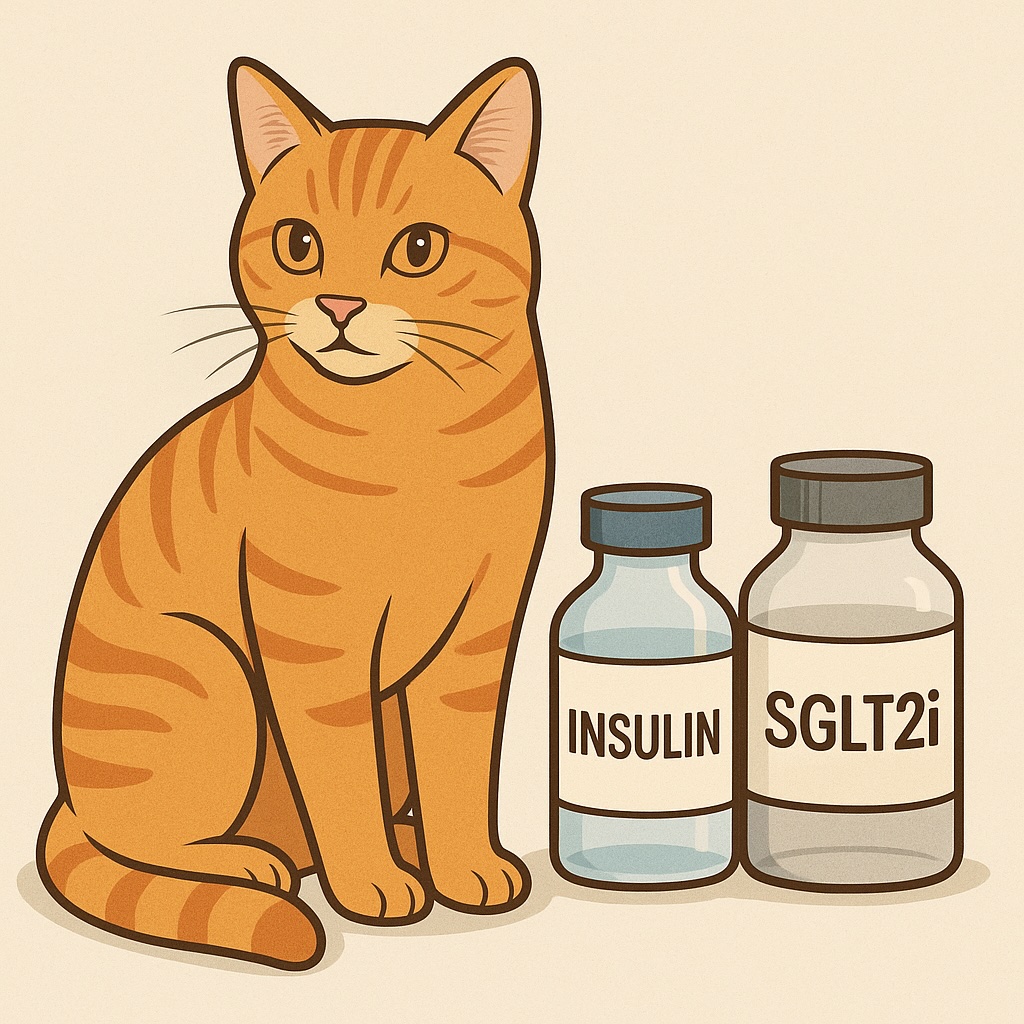

I recently reviewed the new feline diabetes mellitus article published in the Journal of Feline Medicine and Surgery, available at:
https://journals.sagepub.com/doi/epdf/10.1177/1098612X251399103
It offers a clear, updated approach to understanding and managing feline diabetes. I wanted to share the article and highlight some of the most important, practical, and clinically relevant points for everyday practice. This summary is intended to complement the full publication, not replace it. I strongly encourage every feline practitioner and veterinary technician to read the entire article firsthand.
Pathophysiology
The article reinforces that feline diabetes develops through insulin resistance combined with beta cell dysfunction.
Major drivers include:
• Obesity and reduced insulin sensitivity
• Islet amyloid deposition that impairs insulin release
• Chronic pancreatitis
• High carbohydrate diets
• Age related metabolic changes
• Endocrine disease, especially hypersomatotropism
Cats initially show relative insulin deficiency, but long standing disease may progress to absolute insulin deficiency. The review stresses the importance of recognizing risk factors early because aggressive intervention improves outcomes and supports remission.
Clinical Signs
Typical signs include:
• Polyuria and polydipsia
• Weight loss despite a normal or increased appetite
• Polyphagia
• Lethargy
• Plantigrade stance from diabetic neuropathy
The authors emphasize older, overweight male cats are overrepresented. They also highlight the need to look for concurrent disease that may mask or complicate diabetes.
Diagnosis
The publication provides a clear, evidence informed approach to diagnosing feline diabetes.
Core diagnostic components:
• Persistent hyperglycemia
• Glucosuria
• Compatible clinical signs
• Confirmation through fructosamine when stress hyperglycemia is suspected
• Evaluation of comorbidities with CBC, chemistry, urinalysis, T4, pancreatic markers
The review also highlights the growing role of continuous glucose monitoring (CGM) in cats. CGM improves detection of glycemic variability and supports safer dose adjustments.
When cats show poor regulation or require unusually high insulin doses, the article stresses screening for hypersomatotropism.
Treatment
Treatment requires a team based approach that includes veterinarians, technicians, and caregivers.
Goals of Therapy
• Resolve polyuria and polydipsia
• Restore lost weight
• Reduce hyperglycemia safely
• Avoid hypoglycemia
• Identify and manage comorbidities
• Support remission when possible
Diet & Weight Management
The authors strongly support low carbohydrate, high protein diets for diabetic cats because they reduce postprandial glucose and lower insulin demand. Weight management remains a cornerstone. Gradual weight reduction improves insulin sensitivity and helps promote remission. Credentialed veterinary technicians/nurses play a vital role in ongoing weight checks, calorie adjustments, and client education.
Insulin Therapy
The review confirms that insulin therapy remains the most effective treatment for most diabetic cats.
Common insulin preparations include:
• Glargine
• Detemir
• Protamine zinc insulin
• Lente insulin
Typical starting doses fall between 0.25 and 0.5 units per kilogram twice daily depending on formulation and clinical presentation. Dose adjustments rely on glucose curves, continuious glucose monitoring (CGM) data, and clinical signs. The article underscores the importance of early monitoring to increase remission chances.
Owners must be taught:
• Proper injection technique
• Storage guidelines
• Feeding schedules
• Signs of hypoglycemia
SGLT2 Inhibitors
The article discusses the expanding role of sodium-glucose–co-transporter-2 inhibitors (SGLT2 inhibitors) as a treatment option in feline diabetes. These drugs provide glucose control through an insulin independent mechanism.
Mechanism of Action
SGLT2 inhibitors reduce hyperglycemia by:
• Blocking renal reabsorption of glucose
• Increasing urinary glucose excretion
• Lowering circulating glucose concentrations
This reduces pancreatic workload and improves overall glycemic stability in selected cats.
Clinical Benefits
Reported benefits include:
• Reduced fasting and postprandial glucose
• Lower glucose variability
• No injection requirement
• Improved caregiver adherence
Ideal Candidates
Suitable candidates include:
• Cats with mild to moderate hyperglycemia
• Cats without a history of ketosis
• Cats with consistent access to water
• Cats with stable appetite and hydration
• Cats that cannot receive injections reliably
• Cats needing additional glycemic control despite dietary change
Poor Candidates
Avoid use in:
• Cats with dehydration
• Cats at risk of ketosis
• Cats with anorexia
• Cats with renal concerns
• Cats with significant concurrent illness (e.g., pancreatitis)
Potential Risks
Risks include:
• Euglycemic ketosis
• Dehydration
• Urinary tract infections
• Worsening illness if anorexia develops
• Increased ketone production under stress
Monitoring Requirements
• Baseline lab evaluation
• Baseline urinalysis
• Glucose curves, continuous glucose monitoring, or fructosamine levels
• Periodic ketone assessment
• Weight and hydration checks
• Prompt reassessment during illness
Monitoring
Monitoring is a major theme throughout the article.
Recommended strategy:
• Perform a glucose curve or initiate CGM within the first week
• Recheck every 2 to 4 weeks until regulation is achieved
• Use fructosamine to assess longer term trends
• Analyze urinalysis regularly
• Assess weight and body condition at each visit
• Provide consistent caregiver support
Once stable, cats should be monitored every 3 to 6 months.
Special Considerations
The article highlights the importance of evaluating for underlying disease in cats that are difficult to regulate. Conditions such as hypersomatotropism, chronic pancreatitis, kidney disease, or thyroid abnormalities may impair glycemic control.
Credentialed veterinary technicians/nurses are encouraged to support early diagnosis, owner coaching, glucose curve generation, and home monitoring success.
Remission
Even when remission is achieved, the article recommends ongoing surveillance because relapse is possible.
The publication emphasizes remission is achievable in a meaningful proportion of cats. The highest remission rates are associated with:
• Early appropriate therapy (insulin vs. SGLT2i)
• Low carbohydrate diets
• Intensive early monitoring
• Weight management
• Strong caregiver adherence
Summary
This recent review article provides a clear, practical, and clinically relevant guide to the diagnosis, treatment, and long term management of feline diabetes mellitus. It highlights the importance of:
• Identifying risk factors
• Confirming persistent hyperglycemia using appropriate tests
• Starting insulin therapy promptly
• Employing low carbohydrate nutrition
• Monitoring regularly
• Screening for comorbidities
• Supporting remission whenever possible
I encourage every veterinarian and credentialed veterinary technician/nurse who manages feline patients to read the full publication directly. The article is an excellent resource and provides additional context, data, and practical examples that elevate everyday diabetes management.