I want to highlight an important and timely article authored by Dr. Beth Venit in the Journal of the American Veterinary Medical Association (JAVMA). Dr. Venit’s work provides much-needed reassurance to practicing veterinarians: providing care within the spectrum of care framework does not increase a practitioner’s risk of adverse action…
Latest Posts
-
-
Calcium Tartrate Tetrahydrate Stones in Dogs: What Every Pet Parent and Vet Needs to Know
Introduction: New Insights into Canine Urolithiasis A recent study from the Journal of Veterinary Internal Medicine (May–June 2025) reports a newly recognized form of urinary stone, calcium tartrate tetrahydrate (CTT), found in dogs. This emerging discovery highlights important links between diet, supplements, and stone formation. It also underscores the need…
-
Monitoring Dogs with Cushing’s Disease on Trilostane: ACTH Stimulation vs Pre-Pill Cortisol (and Why Your Dog’s Journal Matters)
TL;DR Why monitoring matters Trilostane reduces cortisol production. If we don’t monitor, dogs can remain symptomatic (PU/PD, panting, hunger, poor coat) or tip into iatrogenic hypoadrenocorticism (vomiting, lethargy, collapse). Routine monitoring helps keep dogs feeling their best and catches problems early. The product label emphasizes regular rechecks at 10–14 days,…
-
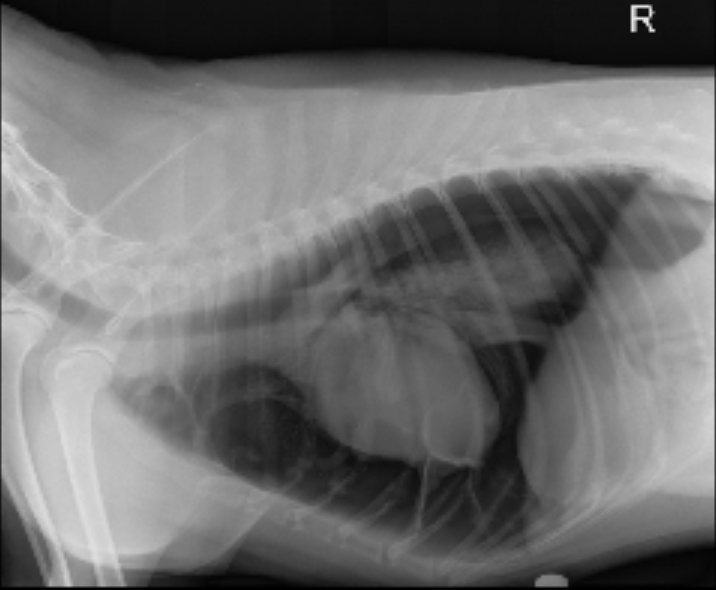
Pneumothorax in Dogs and Cats: Causes, Treatment, and Why Thoracocentesis Before Referral Can Save Lives
Pneumothorax, air trapped in the chest cavity outside of the lungs, is a serious and potentially life-threatening condition in dogs and cats. When air builds up in the pleural space, it prevents the lungs from expanding normally, leading to difficulty breathing, collapse, or even death if left untreated. This post…
-
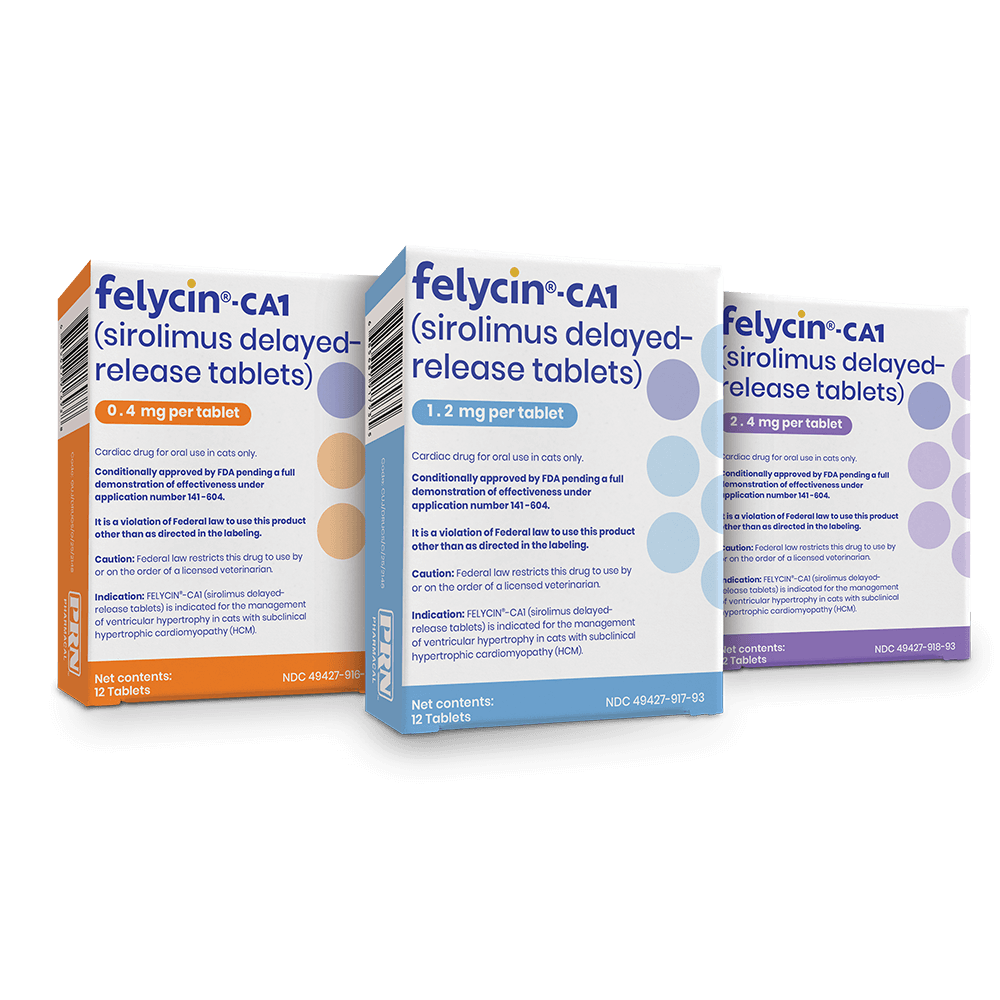
Felycin-CA1: A Groundbreaking Therapy for Cats with Hypertrophic Cardiomyopathy
Image Credit. PRN Pharmacal
-
Euglycemic Diabetic Ketoacidosis (eDKA) in Cats: A Hidden Risk with New Diabetes Medications
Diabetes mellitus is one of the most common endocrine disorders in cats. Recent advances have introduced oral medications called SGLT2 inhibitors to help manage feline diabetes. While these drugs can improve blood sugar control, they can also trigger a rare but serious complication called euglycemic diabetic ketoacidosis (eDKA). Understanding what…
-
Hiatal Hernia in Cats and Dogs: What Pet Owners Should Know
Cats and dogs can develop several different types of hernias. Most pet owners have heard of umbilical or inguinal hernias. However, this article focuses on a less familiar condition called a hiatal hernia. Hiatal hernias can affect a pet’s comfort, nutrition, and respiratory health. Therefore, understanding how they develop, how…
-
Alkaline Phosphatase Elevation in Cats & Dogs
One of my tasks as a board-certified veterinary internal medicine specialist is interpreting a wide variety of diagnostic tests. One of the most common laboratory abnormalities for which patients are referred to me is elevation of an enzyme called alkaline phosphatase, often abbreviated as SAP, SALP, and ALP. There are…
-
Syncope – A Common Cause of Collapse in Pets
As a board-certified veterinary emergency and critical care specialist, I’ve seen my fair share of cats and dogs presented to me because they collapsed. Watching your pet collapse is understandably scary. So, this week I wanted to dedicate some to sharing some information about syncope in cats and dogs, a…
-
Weight Loss in Cats & Dogs – A Common Problem
One of the common reasons for which pet owners bring their pets to veterinarians is because of unexplained weight loss. So, this week I wanted to spend some time reviewing some of the potential causes to help shed some light on this problem. I hope you find this post helpful…