
Some of the most commonly measured blood values in dogs and cats are liver enzymes. When elevations occur, one may logically assume an elevation of a specific liver enzyme means the problem lies with the liver itself. But that isn’t always the case, and in this week’s post, I share…
-
-
Albumin – An Abnormal Result Should Cause Concern
One of the main reasons for which dogs and cats are referred to me is a finding of an abnormal albumin level on blood work performed by a primary care doctor. Sometimes this abnormality is purely an incidental finding, but often patients are sick (thus explaining why the blood test was…
-
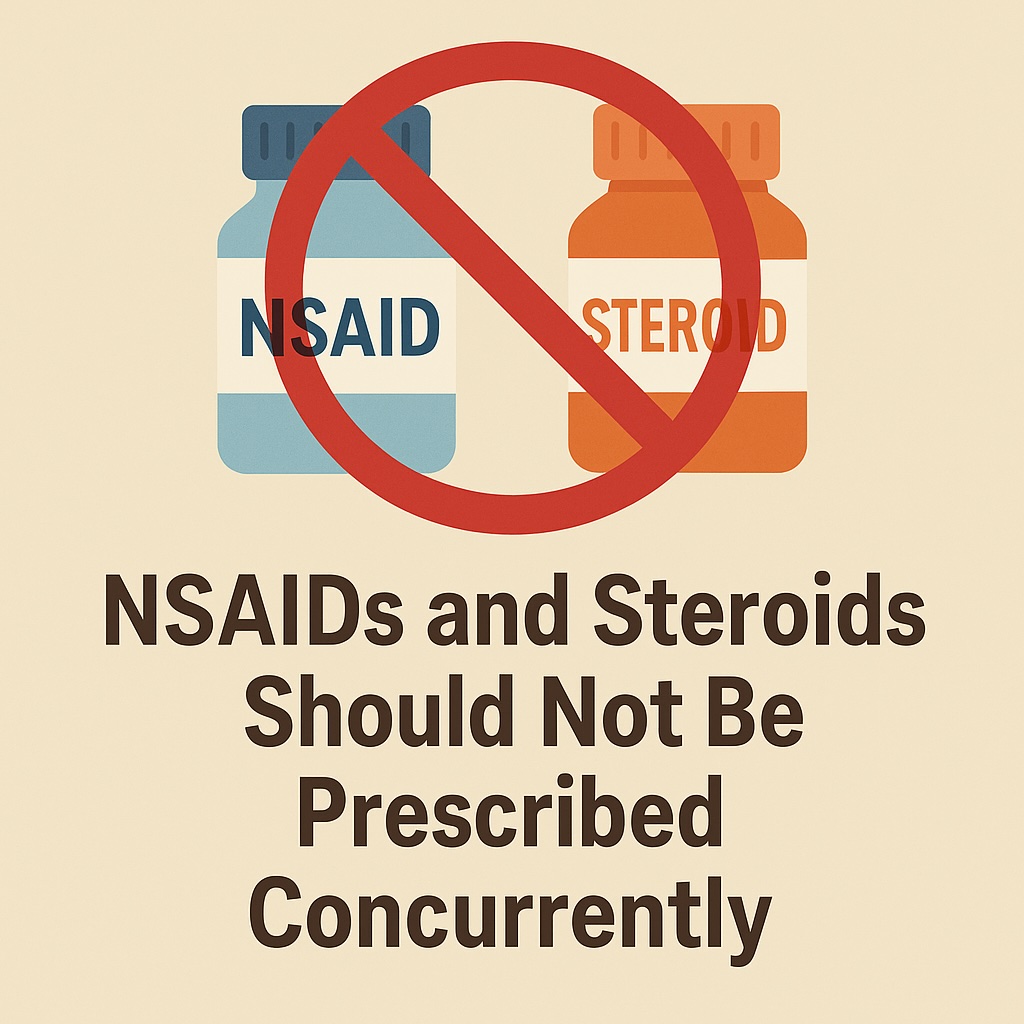
Why Mixing Steroids and NSAIDs in Dogs and Cats Can Be Dangerous
As a veterinarian, I see this mistake too often, and it worries me every time. With so many safe alternatives available to manage pain and inflammation in pets, the decision to combine steroids and non-steroidal anti-inflammatory drugs (NSAIDs) is one that can put dogs and cats at serious risk. That’s…
-
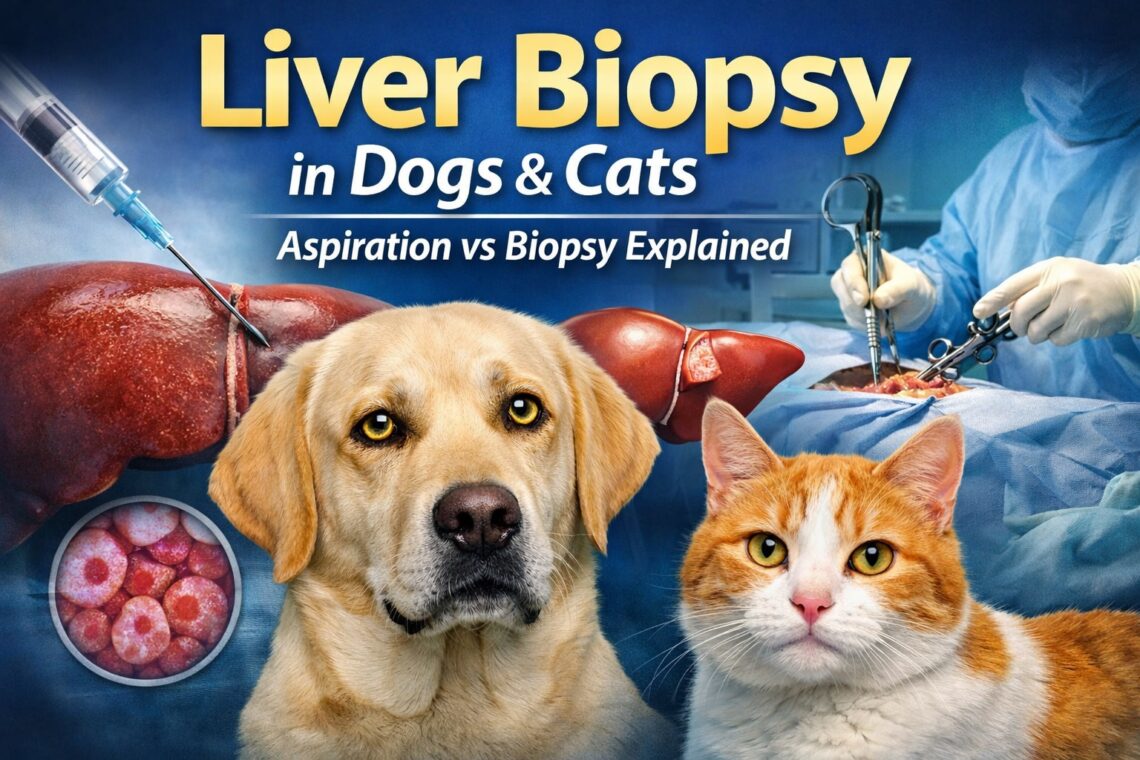
Liver Sampling in Dogs and Cats: What Pet Owners Should Know
Liver disease is relatively common in dogs and cats. Many affected pets develop icterus (jaundice), which causes yellow discoloration of the skin, gums, and sclera (the whites of the eyes). Although jaundice is easy to recognize, reaching a definitive diagnosis is often more challenging. In many cases, veterinarians must directly…