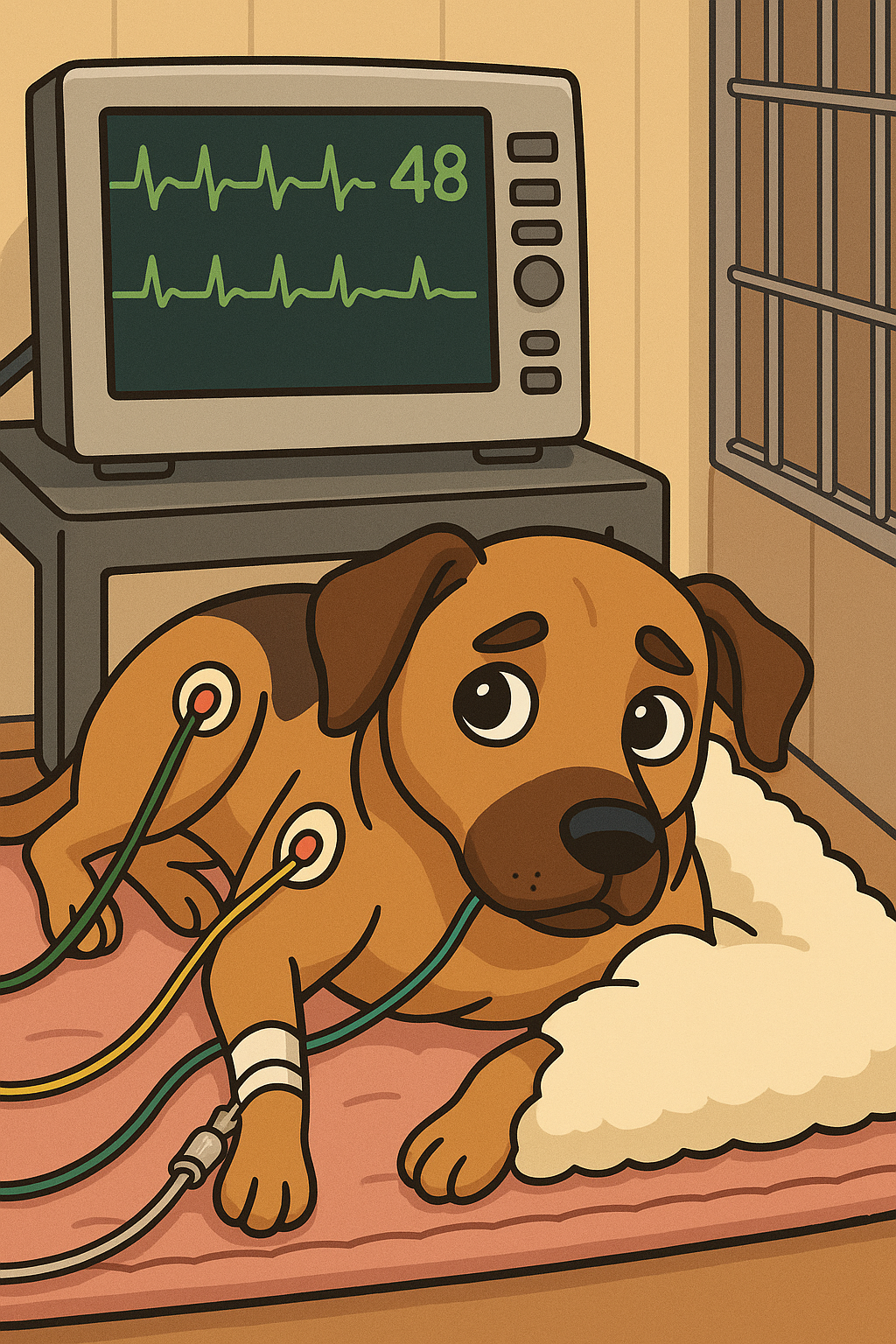
Introduction Atrioventricular (AV) blocks are common causes of bradyarrhythmia in dogs and cats, often identified during ECG or telemetry monitoring. While some AV blocks are benign and vagally mediated, others signal significant conduction system disease requiring pacemaker implantation. This article provides a comprehensive, clinically relevant overview of types of AV…
General Information
-
-
Tracheostomy in Dogs and Cats: Indications, Technique, and Complications
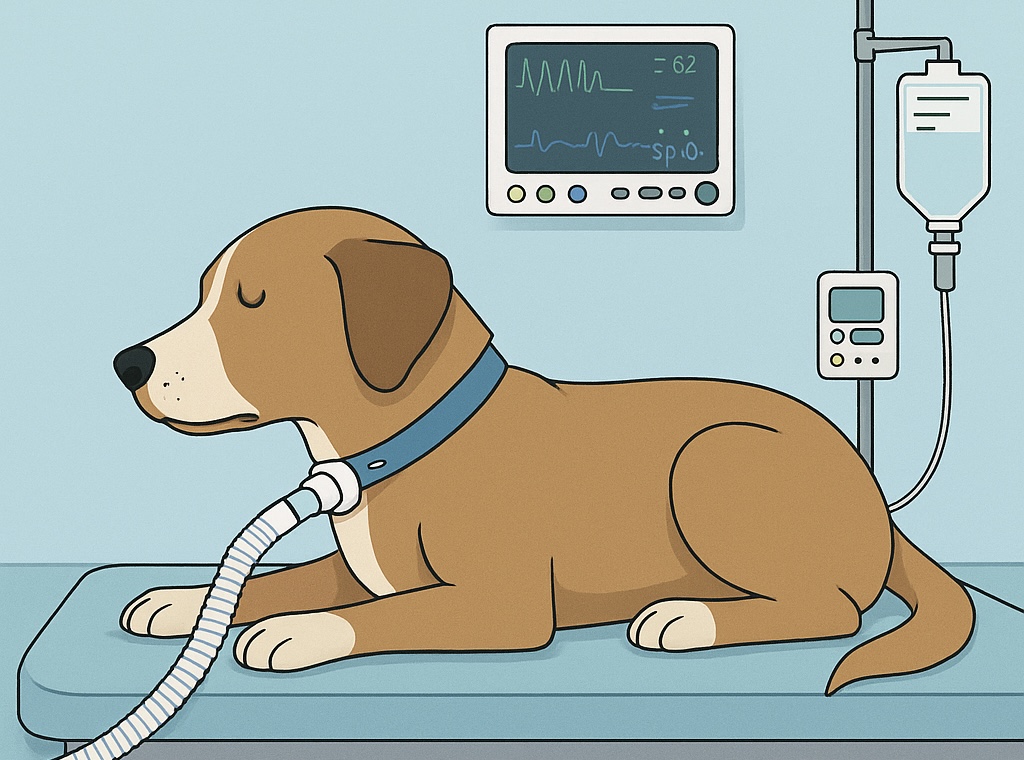
Introduction Tracheostomy is a critical and sometimes lifesaving procedure in both dogs and cats. Whether performed emergently in response to upper airway obstruction or electively as part of planned postoperative airway management, the procedure demands careful patient selection, meticulous technique, and vigilant postoperative care. Understanding when and how to perform…
-
Brachycephalic Obstructive Airway Syndrome (BOAS) in Dogs: Clinical Signs, Treatment, and Anesthetic Risk
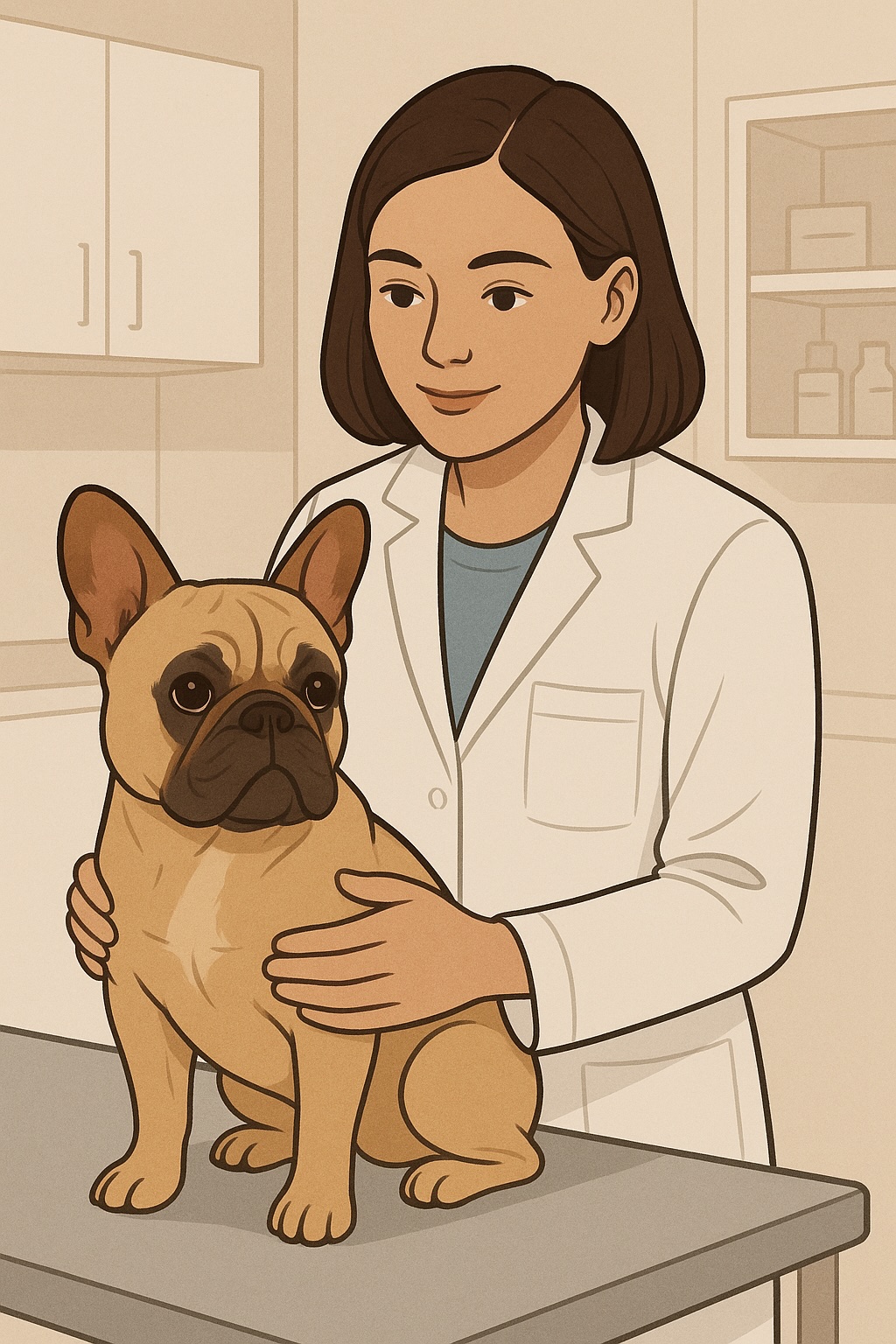
Flat-faced (brachycephalic) breeds such as Bulldogs, French Bulldogs, Pugs, and Boston Terriers are beloved for their “squishy-faced” appearance. Sadly, their anatomy predisposes them to brachycephalic obstructive airway syndrome (BOAS), a progressive condition that compromises quality of life, increases anesthetic risk, and often requires surgical intervention. This article explains the features…
-
Urethral Prolapse in Dogs: Causes, Risks, and Treatment
What is Urethral Prolapse in Dogs? Urethral prolapse in dogs occurs when the lining of the urethra (the tube that carries urine from the bladder to the outside of the body) protrudes through the opening at the tip of the penis. It most commonly affects young, intact male dogs and…
-
NSAID Toxicity in Dogs & Cats: What Every Pet Owner and Veterinary Professional Should Know
Accidental ingestion of human and animal medications is one of the most common toxicities in companion animal medicine, and non-steroidal anti-inflammatory drugs (NSAIDs) are among the biggest culprits. Maybe a pill rolls under the couch, or a curious dog noses a bottle off the counter before you know it, a…
-
Post-Attenuation Neurologic Signs in Cats and Dogs: What Pet Owners and Veterinarians Need to Know
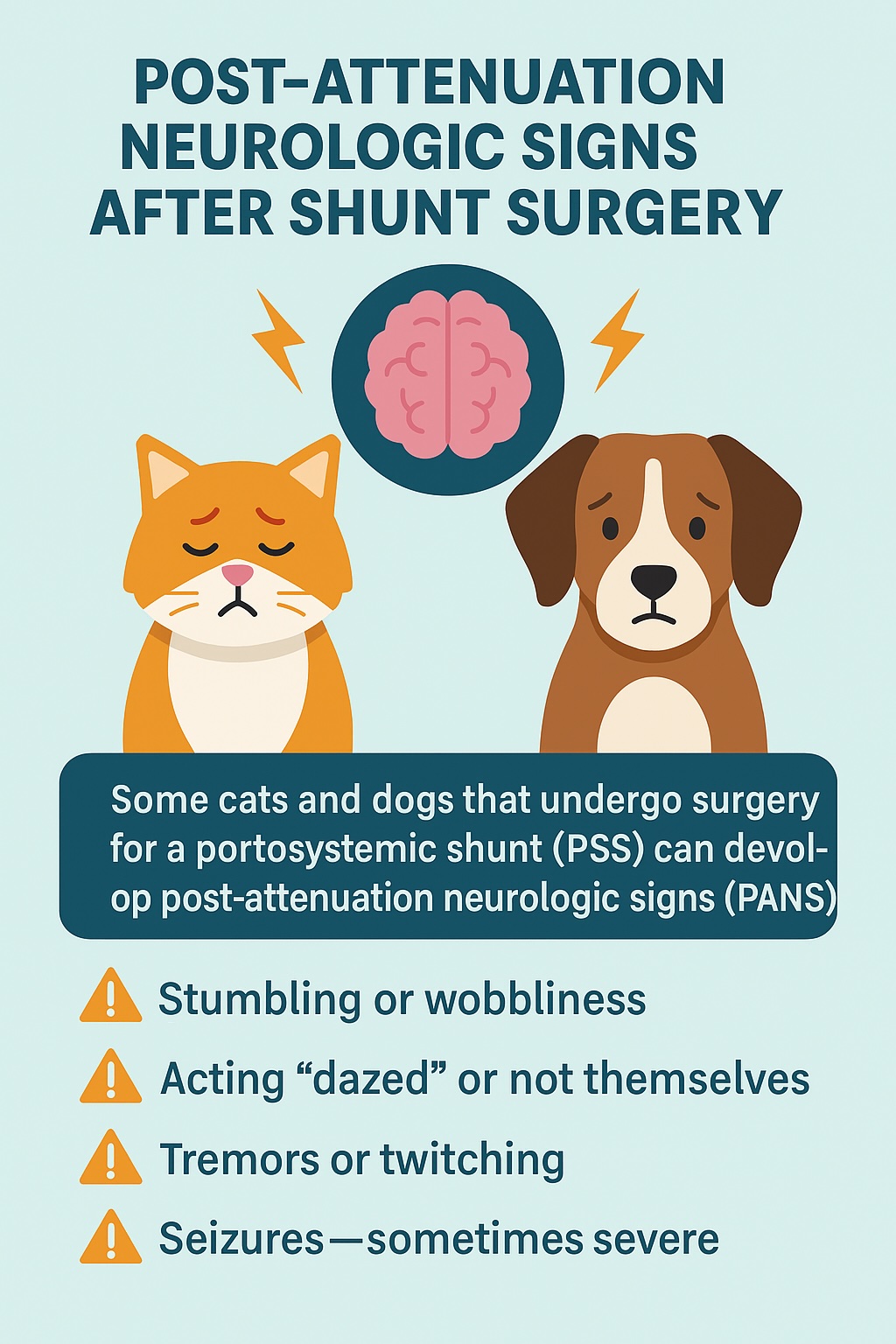
Introduction Portosystemic shunts (PSS) are abnormal blood vessels that let blood bypass the liver. Surgery to correct these shunts can save lives, but sometimes pets, especially cats and small-breed dogs, develop post-attenuation neurologic signs (PANS). These are brain-related problems that happen days after surgery, ranging from mild confusion to severe…
-
Hyperphosphatemia in Cats with Chronic Kidney Disease: Why It Matters & How We Can Help
Understanding the Role of Phosphorus Think of phosphorus management in cats with chronic kidney disease (CKD) like crowd control at a busy concert. In a healthy cat, the kidneys act as the security team, quietly keeping things under control by filtering out extra phosphorus. But when CKD develops, the kidneys…
-
The Gallbladder Halo Sign in Dogs: A Life-Saving Clue on Ultrasound
Introduction: Why the Gallbladder Halo Sign Matters If your dog suddenly collapses, vomits, or develops dramatic facial swelling, your veterinarian may worry about anaphylaxis, a severe, potentially life-threatening allergic reaction. Time is critical in these situations. One of the fastest and most reliable clues veterinarians can use at the bedside…
-
Precursor-Targeted Immune-Mediated Anemia (PIMA) in Dogs and Cats
Anemia is a condition where the body doesn’t have enough red blood cells to carry oxygen. While many causes exist, one especially challenging and often misunderstood form is Precursor-Targeted Immune-Mediated Anemia (PIMA). This condition is being recognized with increasing frequency in both dogs and cats. Whether you are a veterinarian…
-
Fluid Responsiveness vs. Fluid Tolerance in Veterinary Patient Care
When a pet is critically ill, one of the most urgent decisions veterinarians must make is whether to give intravenous (IV) fluids. In both veterinary and human medicine, IV fluid therapy can be lifesaving, but it can also be harmful if not carefully managed. Two key concepts guide modern fluid…